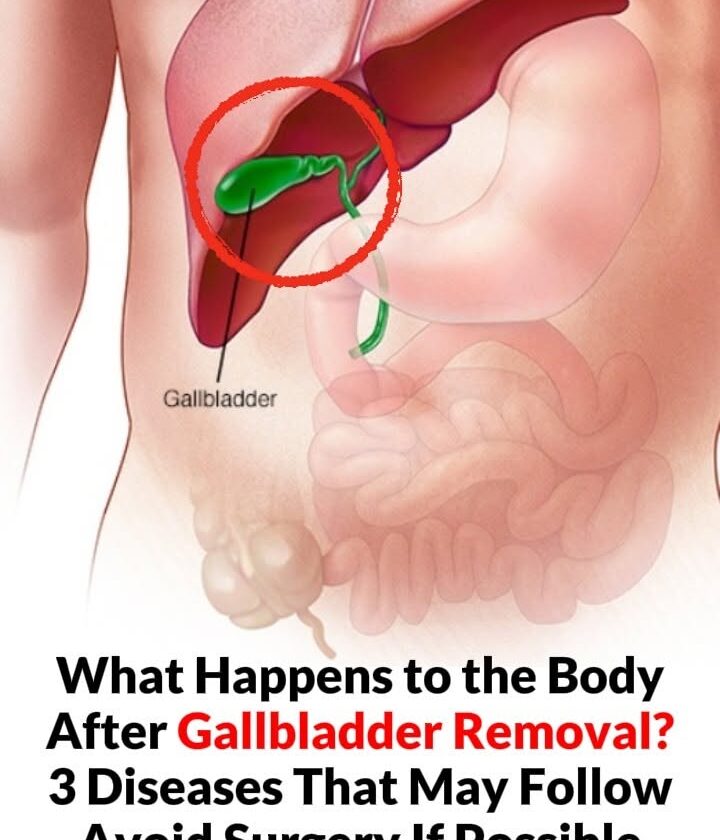
Gallbladder removal (cholecystectomy) is a common surgery and is usually considered safe and effective for people with certain gallbladder problems, especially repeated painful attacks from gallstones, inflammation, or complications. However, like any surgery, it can have possible side effects and long-term changes.
The claim that you should “avoid surgery if possible” is too broad. For some people, delaying necessary gallbladder removal can increase the risk of serious problems, such as infection or inflammation of the pancreas. The decision depends on the individual situation, symptoms, and medical findings.
What changes after gallbladder removal?
The gallbladder stores and concentrates bile, a digestive fluid made by the liver. After removal, bile flows directly from the liver into the small intestine. Most people adapt well, but some notice digestive changes, especially in the first weeks or months.
Possible effects include:
- Loose stools or diarrhea, especially after fatty meals
- Bloating or gas
- Changes in how the body handles large, high-fat meals
- Temporary digestive discomfort
3 possible conditions that may occur after gallbladder removal
1. Post-cholecystectomy syndrome
Some people continue to have symptoms such as abdominal pain, indigestion, bloating, nausea, or diarrhea after surgery. Causes can include bile-related issues, remaining stones in bile ducts, or other digestive conditions that were not caused by the gallbladder.
2. Bile acid diarrhea
When bile reaches the intestine continuously, some people develop diarrhea due to excess bile acids irritating the colon. This can often be treated with medicines that bind bile acids and dietary adjustments.
3. Bile duct problems or retained stones
In some cases, stones may remain in or later form in the bile ducts, causing pain, jaundice, or infection. These problems are uncommon but may require medical treatment.
When gallbladder removal is often recommended
Doctors commonly consider surgery for:
- Recurrent painful gallstone attacks
- Cholecystitis (inflamed gallbladder)
- Gallstones blocking bile ducts
- Certain gallbladder polyps or other high-risk findings
Can surgery sometimes be avoided?
Depending on the condition, some people may manage symptoms with:
- A lower-fat diet
- Weight management
- Monitoring by a healthcare professional
- Medicines in selected cases
However, diet changes usually do not remove existing gallstones, and they may not prevent complications in people who have serious gallbladder disease.
If you are considering gallbladder surgery, the most useful questions for a doctor are:
- What is the exact reason surgery is being recommended?
- What are the risks of waiting?
- Are there non-surgical options in my specific case?
- What symptoms should make me seek urgent care?
A decision about gallbladder removal is best made based on the person’s diagnosis and risk factors rather than a general rule to avoid or pursue surgery.