23 Strange Signs Your Kidneys Might Be in Trouble
Your kidneys filter waste and extra fluid from your blood, help control blood pressure, balance minerals, and support healthy red blood cell production. Kidney problems can develop slowly, and early symptoms are sometimes subtle.
These signs do not always mean kidney disease, but they may be worth discussing with a healthcare professional, especially if they are persistent or occur together.
1. Changes in urination
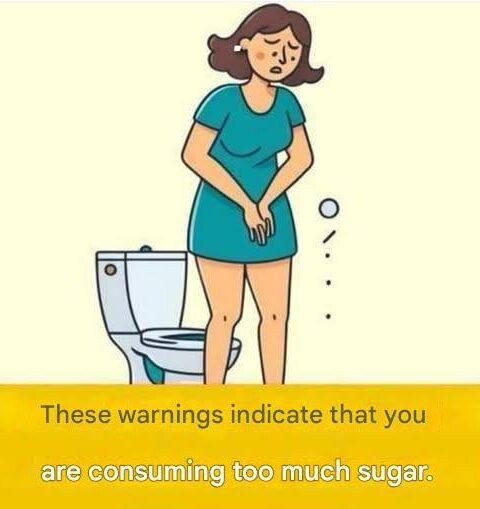
- Needing to urinate more often, especially at night
- Urinating much less than usual
- Foamy or bubbly urine (which can be linked to protein in urine)
- Blood in the urine
- Urgency or difficulty urinating
2. Swelling (fluid retention)
Damaged kidneys may have trouble removing extra fluid, leading to:
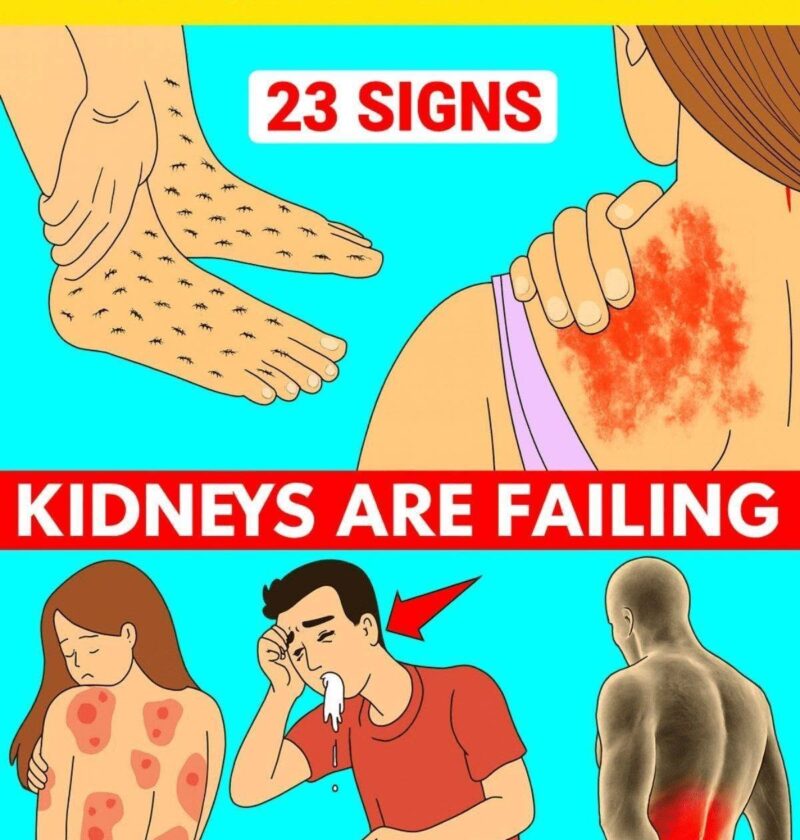
- Swollen ankles or feet
- Puffiness around the eyes, especially in the morning
- Swelling in the hands
3. Unusual tiredness
Kidney problems can contribute to anemia and toxin buildup, which may cause:
- Persistent fatigue
- Low energy
- Difficulty concentrating (“brain fog”)
4. Changes in appetite or digestion
Possible signs include:
- Loss of appetite
- Nausea
- Vomiting
- A metallic taste in the mouth
- Bad breath with a urine-like odor
5. Skin changes
Some people with advanced kidney disease experience:
- Dry, itchy skin
- Changes in skin tone
- Easy bruising
6. Muscle cramps and weakness
Imbalances in minerals such as potassium, calcium, or phosphorus can affect muscles.
7. Shortness of breath
Fluid buildup or anemia related to kidney problems may contribute to breathlessness.
8. High blood pressure
Kidneys and blood pressure are closely connected. Kidney disease can both cause and worsen high blood pressure.
9. Back or side pain
Pain near the kidney area may occur with certain kidney problems, infections, or stones, although many kidney diseases cause no pain.
10. Trouble sleeping
Sleep problems may occur due to itching, discomfort, or changes in body chemistry.
11. Feeling cold more often
Anemia associated with kidney disease can make some people feel unusually cold.
12. Dizziness or faintness
Low red blood cell levels or blood pressure changes can contribute to these symptoms.
13. Persistent headaches
High blood pressure related to kidney problems may cause headaches in some people.
Who is at higher risk of kidney disease?
Risk is increased with:
- Diabetes mellitus
- Hypertension
- Family history of kidney disease
- Older age
- Obesity
- Smoking
- Frequent use of certain pain medicines, especially some Nonsteroidal anti-inflammatory drugs
How kidney problems are checked
Doctors commonly use:
- Blood tests (such as creatinine and estimated kidney filtration rate)
- Urine tests (to check for protein or blood)
- Blood pressure measurements
- Imaging tests when needed
When to seek medical care quickly
Seek prompt medical attention for:
- Blood in urine
- Severe side or back pain with fever
- Sudden inability to urinate
- Severe swelling or shortness of breath
- Confusion or extreme weakness
Many kidney conditions can be managed more effectively when found early. Regular checkups and controlling blood pressure, blood sugar, diet, and medication use can help protect kidney function.