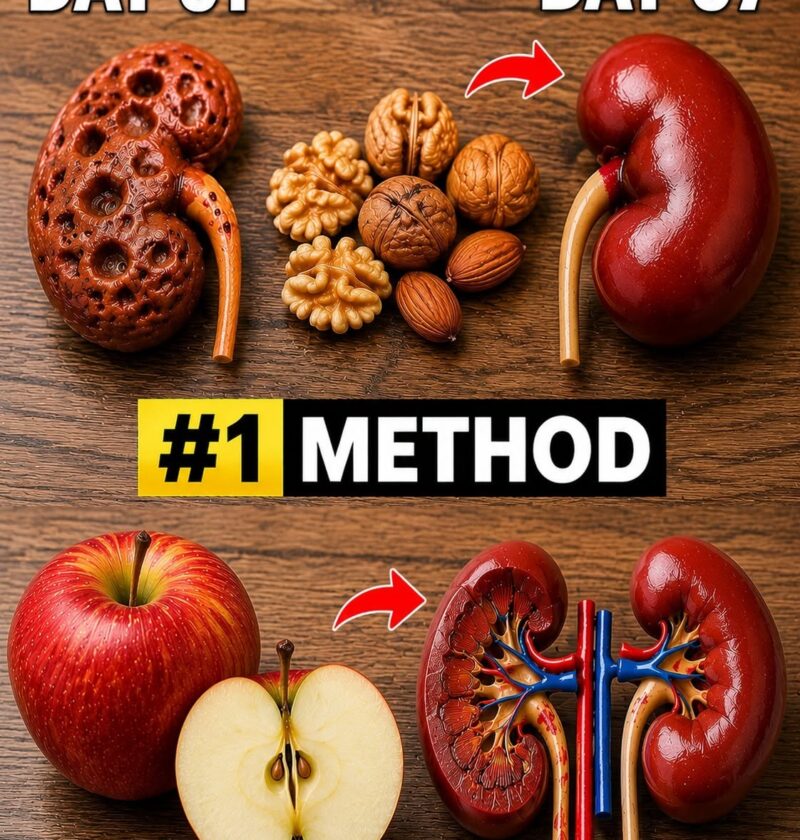
The claim “creatinine 7.1 to 0.9 in 2 days” is extremely misleading. A creatinine level of 7.1 mg/dL is very high and may indicate a serious kidney problem, although the meaning depends on the person’s age, muscle mass, hydration, medications, and overall health. A drop to 0.9 in just two days is not something that can usually be achieved by eating a certain food or fat and would require medical evaluation to understand.
If someone has a very high creatinine result, they should follow up with a healthcare professional promptly. Possible causes include dehydration, medication effects, urinary blockage, infection, or kidney injury.
Fats that can fit into a kidney-friendly eating pattern
The right amount of fat depends on kidney function, cholesterol levels, and other conditions, but generally healthier fats include:
- Olive oil
- Rich in monounsaturated fats and often used in heart-healthy diets.
- Avocado
- Provides healthy fats and fiber (but people with advanced kidney disease may need to monitor potassium).
- Unsalted nuts (in appropriate portions)
- Provide unsaturated fats, though some kidney patients need to watch potassium and phosphorus.
- Fatty fish (such as salmon)
- Provides omega-3 fats that support cardiovascular health.
Fats to limit or watch
- Trans fats
- Found in some partially hydrogenated oils and many highly processed foods.
- Excess saturated fats
- Common in large amounts of butter, fatty meats, and some processed foods.
- Deep-fried foods
- Often high in unhealthy fats, salt, and calories.
- Highly processed packaged foods
- May contain unhealthy fats and additives that are not ideal for kidney and heart health.
For kidney health, the biggest factors are usually:
- Controlling blood pressure and blood sugar
- Avoiding unnecessary kidney-stressing medications (especially frequent NSAID painkillers unless advised)
- Following the right protein, sodium, potassium, and phosphorus intake for your kidney stage
- Staying hydrated as appropriate for your medical situation
If you have a creatinine value of 7.1, please share:
- Your age and sex
- Whether this was a blood creatinine test
- Your eGFR value (if listed)
- Any symptoms (swelling, reduced urine, nausea, fatigue)
- Whether it was a sudden change or a long-term result
That information changes how urgent the situation may be.