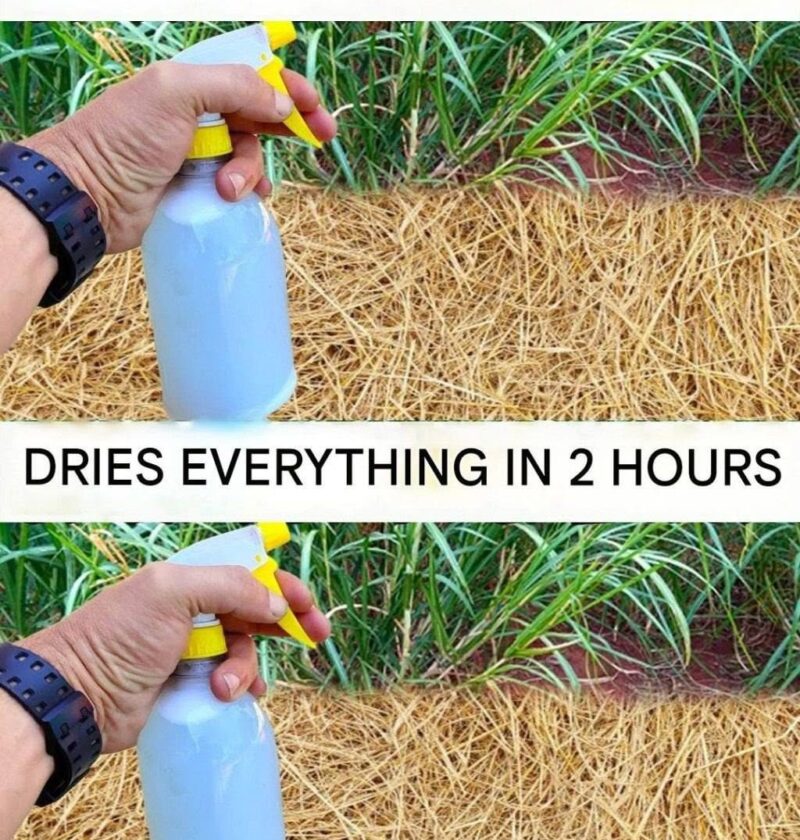
If you mean a homemade weed killer for garden weeds, there are common non-herbicide options, but claims that a mixture will “dry everything in 2 hours” are usually exaggerated. Some homemade mixtures can burn or dehydrate plant leaves quickly, but they may also damage grass, flowers, soil life, or nearby plants if used carelessly.
A simple, lower-toxicity approach:
Vinegar-based weed spray
Ingredients:
- 1 gallon (about 3.8 L) household vinegar (5% acetic acid)
- 1–2 teaspoons dish soap (helps the liquid stick to leaves)
How to use:
- Spray directly on the leaves of weeds on a dry, sunny day.
- Avoid spraying desired plants—the mixture is not selective and can harm them too.
- Repeat may be needed because vinegar often affects the leaves but may not kill deep roots.
Other non-chemical weed control methods
- Boiling water: Pour carefully onto weeds growing in cracks or paving areas.
- Mulch: A thick layer of organic mulch can block sunlight and reduce weed growth.
- Hand removal: Pulling weeds after rain makes it easier to remove roots.
- Ground cover plants: Dense planting can naturally suppress weeds.
Avoid using salt as a weed killer in gardens—it can build up in soil and make it difficult for other plants to grow.
For a long-term solution, the best method depends on where the weeds are growing (lawn, vegetable garden, driveway cracks, or flower beds).