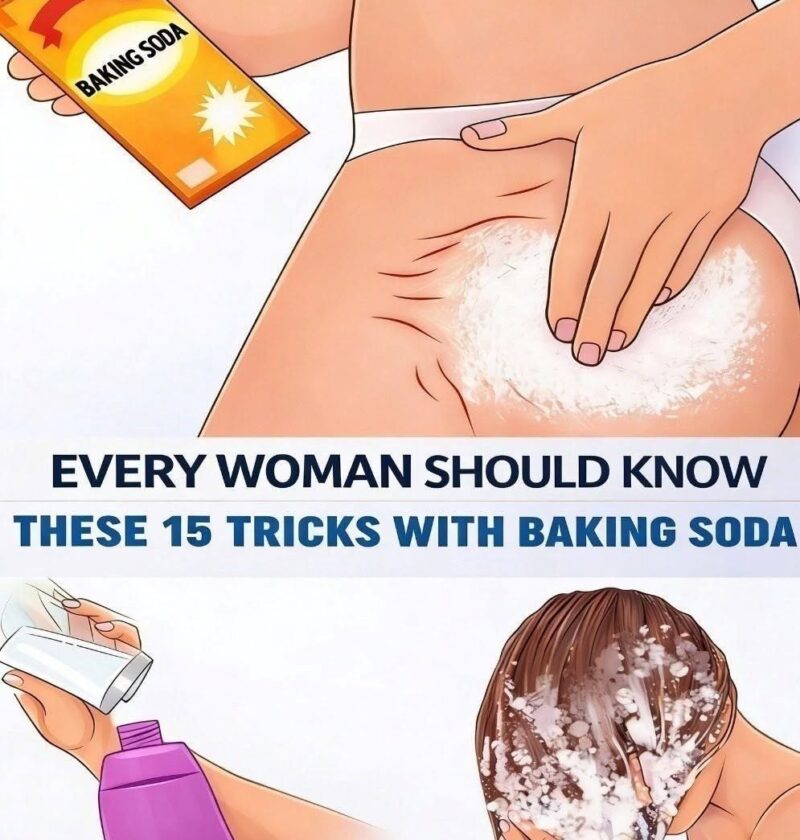
That headline is another example of a “listicle” designed to encourage clicks. While baking soda does have many practical household uses, some popular claims are better supported than others.
Here are 13 everyday uses that are generally considered reasonable:
- Deodorize refrigerators by absorbing odors.
- Freshen carpets by sprinkling, letting it sit briefly, then vacuuming.
- Clean sinks and countertops as a mild abrasive.
- Reduce odors in trash cans by sprinkling some in the bottom.
- Freshen shoes by leaving a small amount inside overnight (shake it out before wearing).
- Remove stains from mugs with a paste of baking soda and water.
- Help clean baked-on cookware by soaking with baking soda and warm water.
- Neutralize some laundry odors when added to a wash load.
- Clean bathroom grout with a baking soda paste and gentle scrubbing.
- Relieve itching from minor insect bites with a baking soda paste (avoid broken skin).
- Use as a gentle exfoliant occasionally, though it may irritate sensitive skin because of its alkalinity.
- Freshen pet bedding (check that pets don’t ingest large amounts).
- Reduce odors in drains when followed by hot water (though it’s not a substitute for clearing clogs).
A few popular claims deserve caution:
- Whitening teeth: Baking soda can help remove surface stains, but excessive scrubbing may wear enamel over time.
- Using as a deodorant: It works for some people but can cause skin irritation.
- Treating acne or skin conditions: It’s generally not recommended because it can disrupt the skin’s natural pH and cause dryness or irritation.
- Treating serious medical conditions: There is no good evidence that baking soda is a cure for infections, cancer, or other diseases often promoted in viral posts.
Overall, baking soda is a versatile and inexpensive household product, but it’s best used for cleaning, deodorizing, and certain limited personal-care applications rather than as a remedy for medical problems.