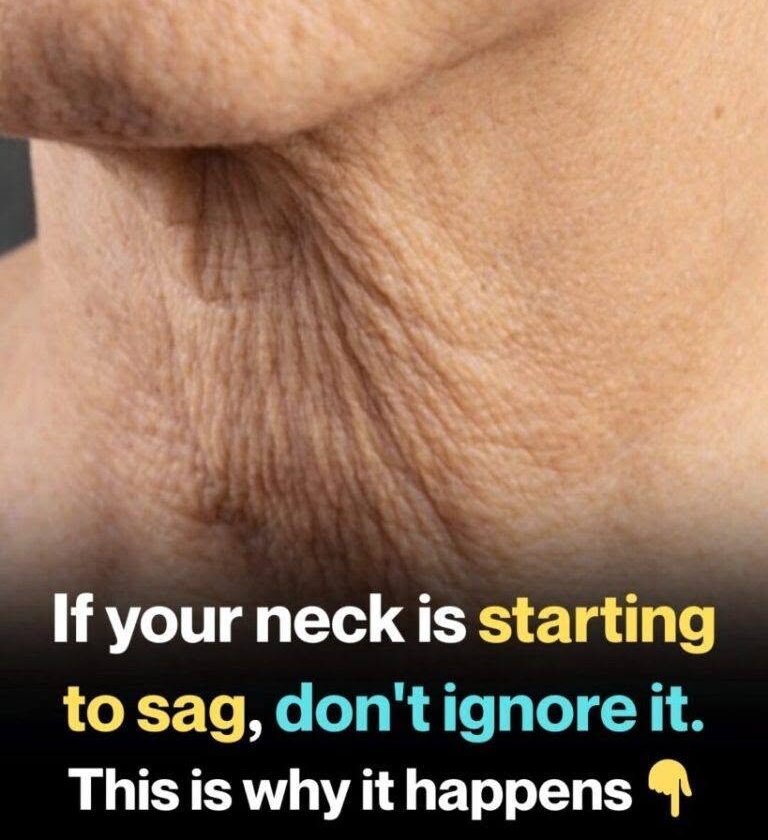
Neck skin sagging is a normal part of aging, but it doesn’t happen for just one reason—it’s a mix of skin changes, muscle changes, and lifestyle factors.
🧬 Why neck skin sags with age
1. Loss of collagen and elastin
Collagen degradation
As you age, your body produces less collagen and elastin—the proteins that keep skin firm and elastic. This leads to looser, thinner skin.
2. Sun damage (photoaging)
Photoaging
UV rays break down skin structure over time, especially in areas like the neck that often get sun exposure without protection.
3. Fat and volume loss or redistribution
- The neck can lose fat support or shift downward with age
- This makes skin appear looser even if weight hasn’t changed much
4. Weakening of neck muscles (platysma)
Over time, the thin neck muscles can separate and weaken, contributing to sagging and banding.
5. Genetics and posture
- Some people are genetically prone to looser skin
- “Tech neck” (looking down at phones often) may accelerate creasing over time
🧴 What you can do about it (realistic options)
✔️ Prevent further sagging
- Daily sunscreen on neck and chest
- Avoid smoking (major collagen destroyer)
- Good hydration and nutrition
✔️ Skincare treatments (mild improvement)
- Retinoids (boost collagen over time)
- Vitamin C serums
- Moisturizers with peptides
✔️ In-office treatments (more noticeable results)
- Radiofrequency tightening
- Ultrasound therapy
- Laser resurfacing
- Botox for neck bands (in some cases)
✔️ Surgical option (for advanced sagging)
- Neck lift procedures for significant skin laxity
🧠 Bottom line
Neck sagging is mainly due to collagen loss, sun damage, and muscle weakening. You can slow it down and modestly improve it, but no cream or home remedy can fully reverse it.
If you want, I can give you a simple daily neck-care routine that actually helps prevent sagging long-term without expensive products.