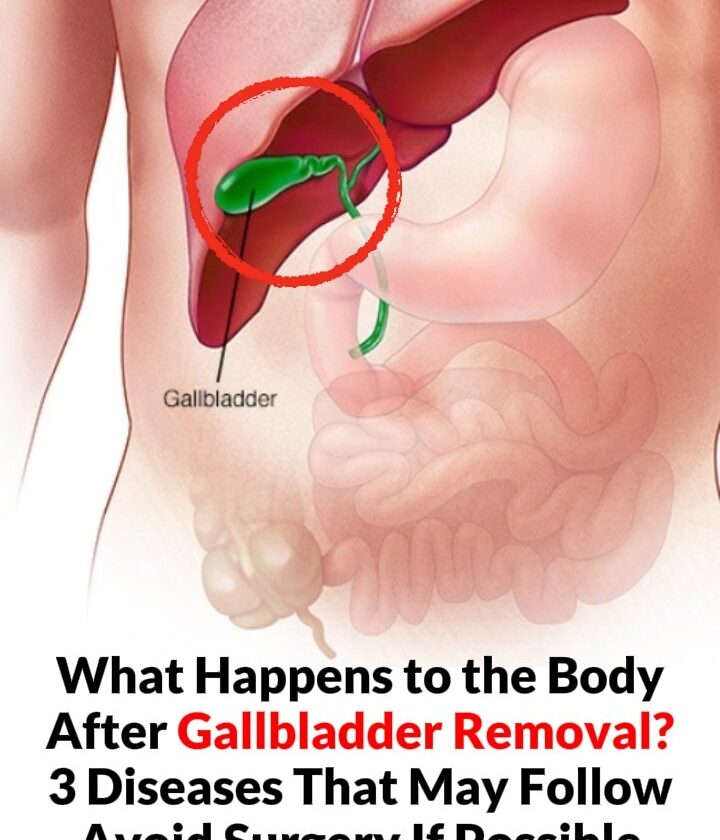
The claim “avoid gallbladder surgery because it causes multiple diseases” is overstated and a bit misleading. Gallbladder removal (called Cholecystectomy) is generally safe and often necessary when symptoms are severe or complications are likely. That said, your body does change after the surgery, and some people develop digestive issues.
Here’s a clear, medically grounded breakdown.
🧠 What the Gallbladder Actually Does


The gallbladder stores bile made by the liver and releases it during meals—especially fatty ones—to help digest fats.
After removal:
- Bile flows continuously into the intestine instead of being stored
- Digestion still works, but less efficiently for large fatty meals
⚠️ Common Changes After Gallbladder Removal
1. Digestive Issues (Most Common)
Some people develop:
- Bloating
- Gas
- Diarrhea (often called Postcholecystectomy syndrome)
This happens because bile is no longer released in controlled bursts.
👉 Usually mild and improves over time or with diet changes.
2. Bile Acid Diarrhea


Without a gallbladder:
- Excess bile may irritate the colon
- Leads to frequent loose stools
This is sometimes diagnosed as Bile acid malabsorption
👉 Treatable with medication and diet adjustments.
3. Increased Risk of Certain Conditions (But Not Guaranteed)
Some studies suggest slightly higher risks of:
- Nonalcoholic fatty liver disease
- Irritable bowel syndrome
- Acid reflux
⚠️ Important: These are associations, not direct causes. Many people never develop these issues.
🚫 So… Should You Avoid Surgery?
Not necessarily. Avoiding surgery can be riskier if you have:
- Recurrent gallstones
- Severe pain (biliary colic)
- Inflammation (Cholecystitis)
- Pancreatitis caused by gallstones
Untreated, these can lead to serious complications like infection or organ damage.
⚖️ Balanced Take
- ✔ Surgery is often the best and safest option when symptoms are significant
- ✔ Most people live normal lives without a gallbladder
- ✔ Some digestive changes can happen, but are usually manageable
- ❌ The idea that it “causes 3 diseases” as a rule is not medically accurate
🥗 If You Want to Avoid Surgery (When Safe)
If your case is mild (check with a doctor), you can try:
- Lower-fat diet
- Smaller, more frequent meals
- Weight management
- Monitoring symptoms closely
But once complications start, delaying surgery can backfire.
If you want, tell me your symptoms or what you were diagnosed with—I can help you figure out whether surgery is usually recommended in cases like yours.