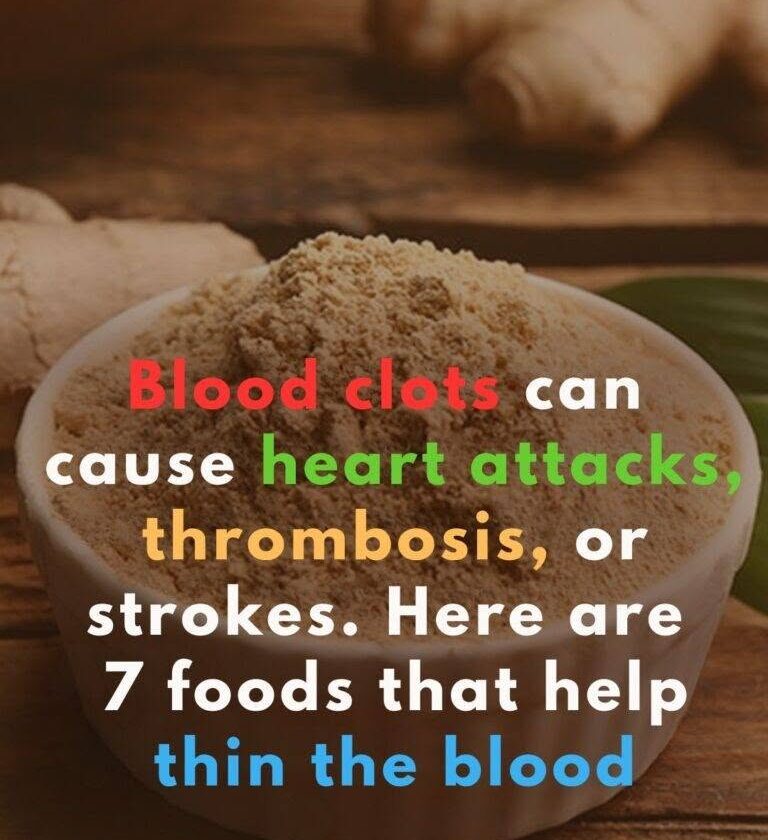
If you mean foods that may support healthy blood flow or have mild “blood-thinning” effects, these are some commonly discussed options. They do not work like prescription blood thinners (such as warfarin, apixaban, or aspirin), and they should not be used to replace medical treatment.
7 foods associated with blood-thinning effects
- Garlic
- Contains sulfur compounds (such as allicin) that may help reduce platelet aggregation and support cardiovascular health.
- Ginger
- Has compounds that may have mild antiplatelet effects and can support circulation.
- Fatty fish (salmon, sardines, mackerel)
- Rich in omega-3 fatty acids, which may help reduce platelet stickiness and support heart health.
- Turmeric
- Curcumin, its active compound, has anti-inflammatory properties and may influence clotting pathways.
- Berries (blueberries, strawberries, raspberries)
- Rich in flavonoids and antioxidants that support blood vessel function.
- Leafy green vegetables
- Foods like spinach and kale contain nitrates that support nitric oxide production and healthy circulation.
- Note: People taking warfarin should keep vitamin K intake consistent rather than making sudden large changes.
- Cocoa and dark chocolate (high cocoa content)
- Flavanols in cocoa may support blood vessel flexibility and circulation when consumed in moderation.
Important: If you take blood-thinning medication, have a bleeding disorder, are preparing for surgery, or have a history of blood clots, check with a healthcare professional before significantly increasing these foods or using concentrated supplements (especially garlic, ginger, turmeric, or fish oil supplements).