Why Eating Cassava Can Be Dangerous — and How to Enjoy It Safely
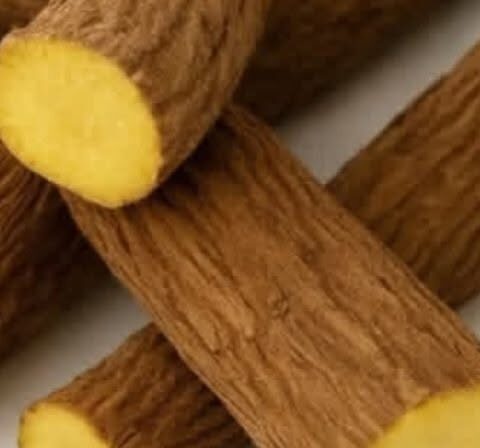
Cassava (also called manioc or yuca) is a popular root vegetable eaten around the world, especially in parts of Africa, Asia, and Latin America. It is a good source of carbohydrates and can be a valuable food crop—but raw or improperly prepared cassava can be dangerous.
Why cassava can be harmful
Cassava naturally contains compounds called cyanogenic glycosides, which the body can convert into hydrogen cyanide, a toxic substance.
Eating poorly prepared cassava may cause:
- nausea and vomiting,
- dizziness,
- weakness,
- headache,
- breathing problems,
- in severe cases, cyanide poisoning.
The risk is higher with bitter cassava varieties, which generally contain more of these compounds.
How to eat cassava safely
Proper preparation greatly reduces the risk:
✅ Peel it thoroughly
The highest levels of cyanogenic compounds are often found closer to the outer layers.
✅ Soak it when appropriate
Traditional soaking methods help reduce toxins.
✅ Cook it completely
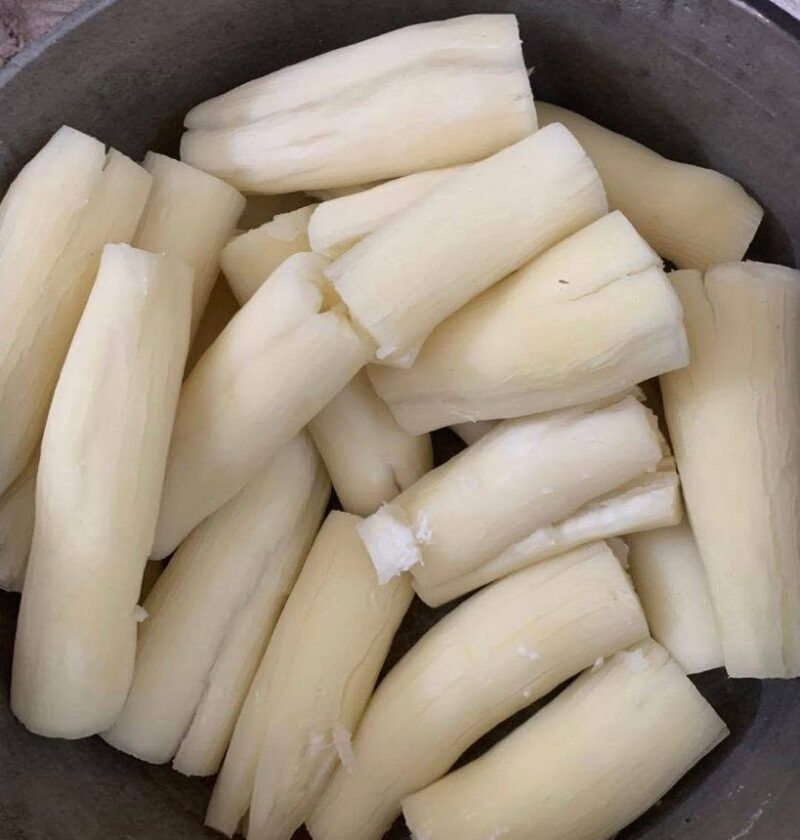
Boiling, baking, frying, or steaming after proper preparation helps remove harmful compounds.
✅ Avoid eating raw cassava
Raw cassava is not considered safe to consume.
✅ Use trusted sources
Properly processed cassava products such as cassava flour, tapioca, and other commercial products are generally prepared to reduce toxin levels.
Nutritional benefits of cassava
When prepared safely, cassava can provide:
- energy-rich carbohydrates,
- some fiber (especially when less processed),
- small amounts of vitamins and minerals.
However, cassava is relatively low in protein, so it is often paired with protein-rich foods such as beans, fish, eggs, meat, or dairy.
Bottom line: Cassava is not inherently dangerous—it is a nutritious food when prepared correctly. The danger comes mainly from eating it raw or improperly processed.