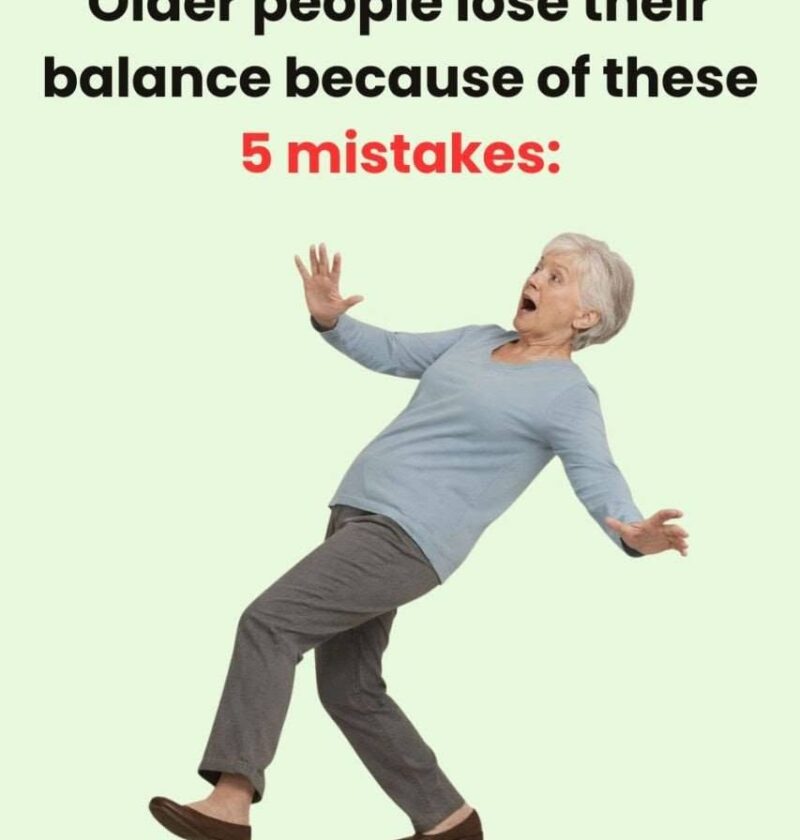
Common Mistakes That Affect Balance in Older Adults
Balance often changes with age, but many falls and stability problems are linked to habits or conditions that can be improved. Understanding common mistakes can help older adults stay safer, stronger, and more independent.
1. Avoiding physical activity
A common mistake is becoming less active because of fear of falling. Reduced movement can weaken:
- leg muscles,
- core strength,
- coordination,
- reaction time.
Better approach: Include safe activities such as walking, strength exercises, tai chi, or balance training as appropriate.
2. Wearing unsafe footwear
Shoes that are loose, worn out, slippery, or lack support can increase the risk of losing balance.
Better approach: Choose well-fitting shoes with good grip and support.
3. Ignoring vision changes
Poor vision can make it harder to judge distances, notice obstacles, or navigate uneven surfaces.
Better approach: Get regular eye checks and keep glasses prescriptions up to date.
4. Not checking medications
Some medicines can affect balance by causing:
- dizziness,
- drowsiness,
- low blood pressure,
- confusion.
Better approach: Review medications regularly with a healthcare professional, especially if dizziness or falls occur.
5. Moving too quickly
Standing up suddenly or turning too fast can cause lightheadedness or loss of stability.
Better approach: Rise slowly, pause after standing, and take steady steps.
6. Ignoring muscle weakness
Weak legs and reduced core strength can make everyday movements—such as climbing stairs or getting up from a chair—more difficult.
Better approach: Add strength exercises suited to your ability level.
7. Poor home safety setup
Many falls happen because of hazards at home, including:
- loose rugs,
- cluttered walkways,
- poor lighting,
- slippery bathrooms.
Better approach: Improve lighting, remove trip hazards, and add support features where needed.
8. Dehydration and poor nutrition
Not drinking enough fluids or not getting enough nutrients can contribute to weakness and dizziness.
Better approach: Maintain adequate hydration and a balanced diet with enough protein and essential nutrients.
9. Neglecting balance practice
Balance is a skill that can decline when it is not challenged.
Better approach: Practice safe balance exercises regularly, ideally with guidance if there is a high fall risk.
When to seek medical advice
A healthcare professional should evaluate:
- repeated falls,
- sudden balance changes,
- new dizziness,
- weakness on one side of the body,
- fainting,
- difficulty walking that appears suddenly.
Improving balance is often about a combination of strength, vision, safe habits, medication review, and a safer environment. Small changes can make a meaningful difference in daily confidence and independence.