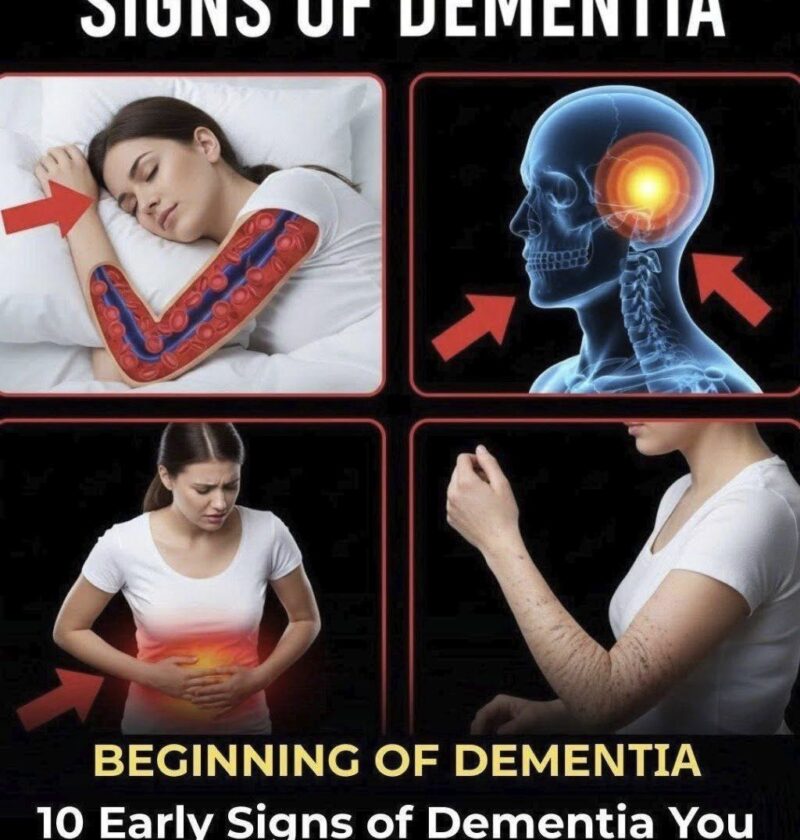
Dementia is not a normal part of aging, and early recognition can help people get medical advice, plan ahead, and address treatable causes of memory or thinking changes. Occasional forgetfulness can happen to anyone, but persistent changes that interfere with daily life deserve attention.
10 early signs of dementia to watch for
- Memory loss that affects daily life
- Repeatedly asking the same questions, forgetting recent conversations, or relying more heavily on notes for things usually remembered.
- Difficulty completing familiar tasks
- Trouble managing routines, cooking familiar meals, handling finances, or using familiar devices.
- Problems with planning or problem-solving
- Increased difficulty following steps, organizing activities, or making decisions.
- Confusion about time or place
- Getting lost in familiar areas or losing track of dates, seasons, or locations.
- Changes in language
- Difficulty finding words, following conversations, or naming familiar objects.
- Misplacing items in unusual places
- Putting objects in strange locations and being unable to retrace steps.
- Reduced judgment
- New problems with safety, finances, scams, or personal care decisions.
- Changes in mood, personality, or behavior
- Increased anxiety, irritability, withdrawal, apathy, or unusual changes from a person’s normal personality.
- Loss of interest in hobbies or social activities
- Pulling away from activities that were previously enjoyable.
- Difficulty with visual or spatial abilities
- Problems judging distances, recognizing objects, or navigating spaces.
When to seek medical advice
A healthcare professional should evaluate new or worsening changes in memory, thinking, or behavior, especially if they affect independence. Some causes of cognitive changes can be treatable, such as medication effects, vitamin deficiencies, thyroid problems, depression, sleep disorders, or infections.
If someone has sudden confusion, sudden weakness, trouble speaking, or a sudden major change in mental status, seek urgent medical care.
If you’d like, I can also provide a list of early signs that are more typical of normal aging vs. possible dementia.