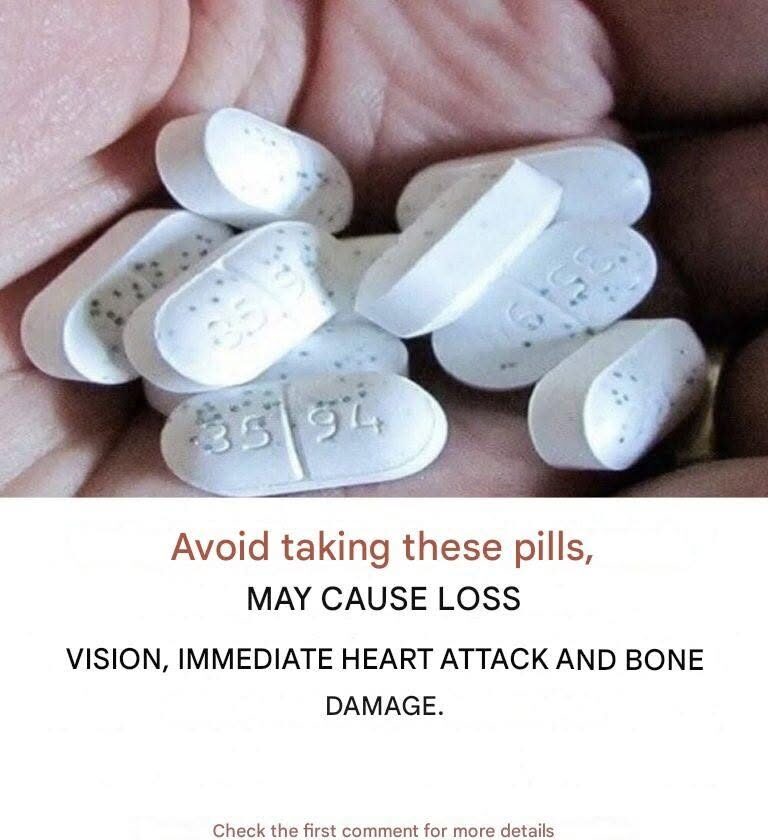
The warning that “these tablets cause blood clots and heart attacks” is too general. Most medicines do not automatically cause blood clots or heart attacks, and many medications actually reduce the risk of heart problems. However, certain medicines can increase clotting risk or affect the heart in specific situations.
Examples of medication groups that may require caution include:
- Hormonal medicines
- Some estrogen-containing contraceptives and hormone therapies can increase the risk of blood clots in certain people.
- Some cancer treatments
- Certain chemotherapy and targeted therapies can raise the risk of clotting.
- Some medicines that stimulate red blood cell production
- These may increase clot risk in some patients.
- Certain immune-modulating medications
- Some drugs used for inflammatory conditions may carry clot-related warnings depending on the patient’s risk factors.
- Some medications that affect heart rhythm
- Certain drugs can increase the risk of dangerous rhythm changes, which may lead to serious heart complications in susceptible people.
Factors that can increase clot or heart risk include:
- Previous blood clots
- Smoking
- Older age
- Obesity
- Long periods of immobility
- Certain genetic conditions
- High blood pressure, diabetes, or high cholesterol
Seek urgent medical help for signs of a possible clot or heart attack:
- Sudden chest pain or pressure
- Shortness of breath
- Coughing blood
- One-sided leg swelling, pain, warmth, or redness
- Sudden weakness, facial drooping, or trouble speaking
If you tell me the exact name of the tablet(s) you saw in the warning, I can explain the actual risks and whether the concern applies.