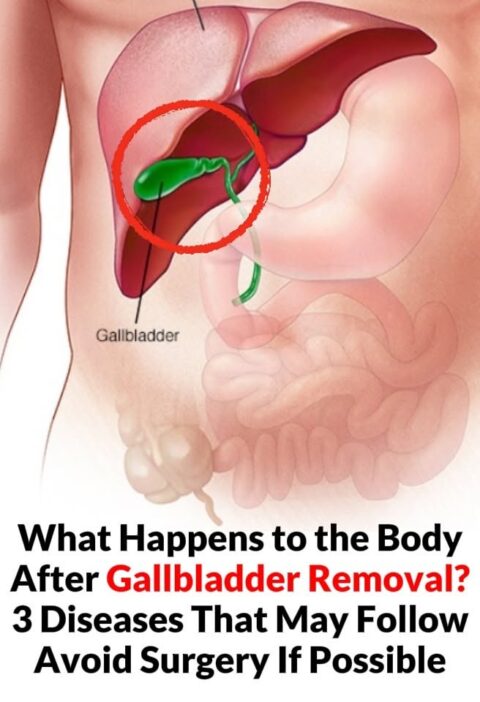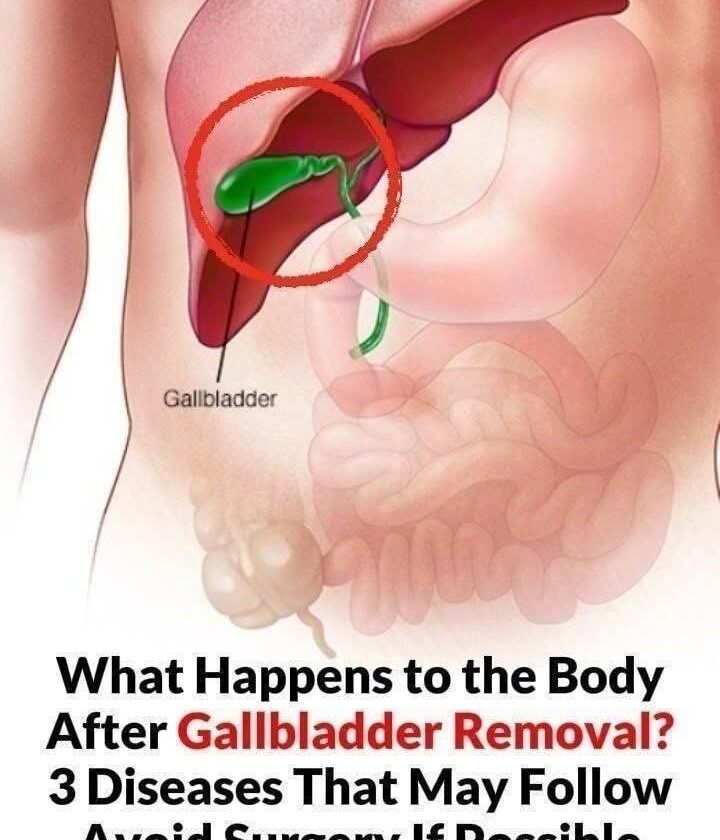
The claim “avoid gallbladder removal when possible” is an oversimplification. Gallbladder removal (called cholecystectomy) is a common and generally safe surgery, and for many people with serious gallbladder problems it is the recommended treatment.
The gallbladder stores bile, which helps digest fats. After removal, the liver still makes bile, but it flows directly into the intestine instead of being stored. Most people adjust well.
Some possible changes or conditions after gallbladder removal include:
- Digestive changes
- Some people experience diarrhea, bloating, gas, or urgency to use the bathroom, especially after fatty meals.
- These symptoms are often temporary and can improve with diet changes.
- Bile-related diarrhea
- A small number of people develop ongoing diarrhea because more bile reaches the colon.
- This can often be managed with dietary adjustments and, when needed, medications prescribed by a doctor.
- Changes in fat digestion
- Some people may have difficulty tolerating very fatty foods after surgery.
- Eating smaller meals and reducing very greasy foods can help.
However, leaving certain gallbladder conditions untreated can also carry risks, including:
- Recurrent painful gallstone attacks.
- Gallbladder infection (cholecystitis).
- Blocked bile ducts.
- Pancreatitis (inflammation of the pancreas).
- Rarely, more serious complications.
Gallbladder removal is usually considered when there are symptomatic gallstones, repeated attacks, infections, or complications. It is not automatically needed for everyone with gallstones.
The right decision depends on factors such as symptoms, scan results, overall health, and risks of surgery versus waiting. A discussion with a qualified healthcare professional is the best way to decide whether surgery is appropriate.