Colonoscopy in 2026: Is It Still an Invasive Procedure or Has Modern Medicine Changed It?
Introduction: Why Colonoscopy Is Still One of the Most Important Screening Tools
Colonoscopy remains one of the most effective and widely used medical procedures for detecting diseases of the large intestine, including colorectal cancer, polyps, inflammation, and other bowel disorders. Over the past few decades, advancements in medical technology, sedation methods, and imaging quality have significantly improved patient comfort and diagnostic accuracy.
Recently, claims circulating online suggest that “colonoscopy will no longer be an invasive examination.” While this statement reflects growing improvements in patient experience and non-invasive screening research, it is not fully accurate in a clinical sense. Colonoscopy is still classified as a minimally invasive procedure because it involves inserting a flexible tube with a camera into the colon.
However, what has changed dramatically is how safe, comfortable, and efficient the procedure has become.
This article provides a complete, SEO-optimized, medically accurate explanation of colonoscopy, modern innovations, alternatives, benefits, risks, and what patients can expect in today’s healthcare systems.
Part 1: Understanding Colonoscopy and Modern Medical Advances (Detailed Guide)
What Is Colonoscopy and Why It Is Performed?
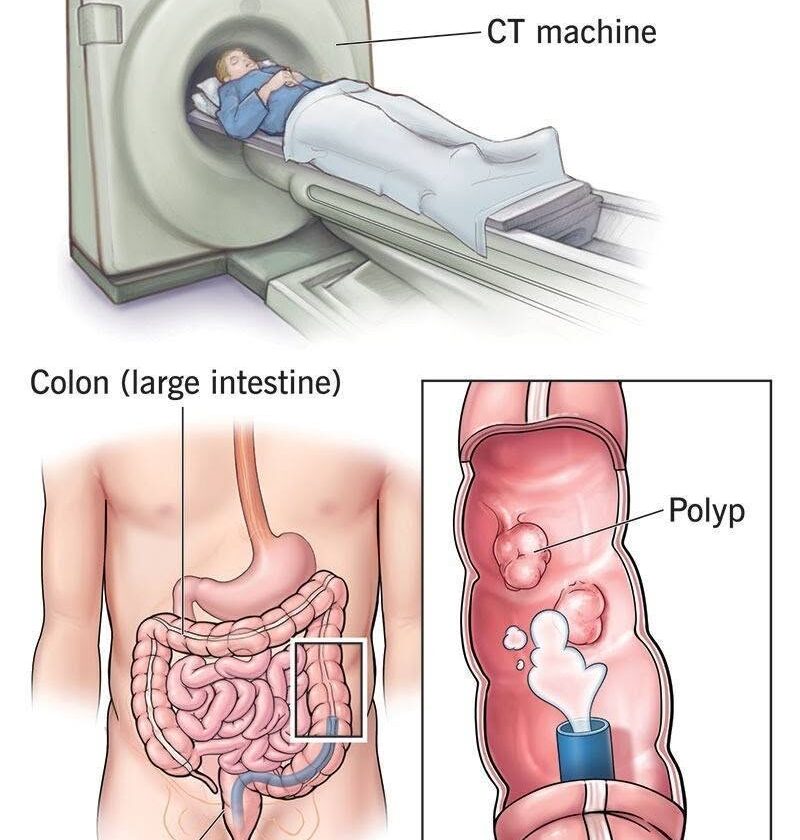
A colonoscopy is a diagnostic and sometimes therapeutic medical procedure used to examine the inner lining of the large intestine (colon) and rectum. It is performed using a long, flexible tube called a colonoscope, which is equipped with a high-resolution camera and light source.
Doctors recommend colonoscopy for several important reasons:
- Screening for colorectal cancer
- Detecting and removing polyps (small growths in the colon)
- Investigating symptoms like chronic diarrhea, constipation, or abdominal pain
- Diagnosing inflammatory bowel diseases such as ulcerative colitis or Crohn’s disease
- Checking causes of unexplained weight loss or gastrointestinal bleeding
Colorectal cancer is one of the most common cancers worldwide, but it is also one of the most preventable when detected early. Colonoscopy plays a central role in early detection and prevention.
How Colonoscopy Has Evolved Over Time
In earlier decades, colonoscopy procedures were often associated with discomfort, anxiety, and longer recovery times. However, modern gastroenterology has transformed the experience significantly.
Today’s colonoscopy is:
- More precise due to high-definition imaging
- Less painful due to advanced sedation techniques
- Faster in duration
- Safer with reduced complication risks
- More effective in detecting small polyps and early-stage cancer
One of the biggest advancements is the use of sedation-based colonoscopy, where patients are either lightly sedated or fully asleep during the procedure. This eliminates most discomfort and memory of the examination.
Why Colonoscopy Is Still Considered Minimally Invasive
Despite improvements, colonoscopy is still classified as minimally invasive because:
- A medical instrument is inserted into the body
- The colon must be physically accessed through the rectum
- There is a small risk of internal irritation or perforation
- Patients must undergo bowel preparation before the procedure
However, it is far less invasive than traditional surgery, which involves incisions, stitches, and longer recovery periods.
Modern colonoscopy sits in a category between imaging scans and surgical procedures—making it a critical but controlled medical intervention.
The Role of Bowel Preparation: An Important Step
Before undergoing a colonoscopy, patients must complete bowel preparation. This is one of the most important parts of the procedure.
The goal is to completely clean the colon so doctors can clearly see the intestinal lining.
Typical preparation includes:
- A clear liquid diet for 24–48 hours before the procedure
- Laxative solutions prescribed by the doctor
- Avoiding solid foods
- Staying hydrated with electrolyte fluids
Although bowel preparation is often considered the least pleasant part of the process, it is essential for accurate diagnosis.
What Happens During a Colonoscopy Procedure?
A typical colonoscopy follows these steps:
- The patient is given sedation or anesthesia
- The doctor gently inserts the colonoscope into the rectum
- The camera transmits real-time images of the colon lining
- Air or carbon dioxide is used to expand the colon for better visibility
- If polyps are found, they may be removed immediately
- Tissue samples (biopsies) may be taken for laboratory testing
- The scope is slowly withdrawn while examining the entire colon
The procedure usually takes 20 to 60 minutes depending on findings.
Most patients report little to no discomfort due to sedation.
Modern Innovations Making Colonoscopy Safer and More Comfortable
Medical technology has significantly improved colonoscopy outcomes. Some of the most important advancements include:
1. High-Definition and 4K Imaging
Modern colonoscopes provide extremely detailed images, allowing doctors to detect even very small abnormalities.
2. Carbon Dioxide Insufflation
Instead of regular air, CO₂ is often used to inflate the colon. It is absorbed faster by the body, reducing bloating and discomfort after the procedure.
3. Deep Sedation and Anesthesia
Many patients now undergo deep sedation, meaning they are fully asleep and feel no pain or awareness during the procedure.
4. AI-Assisted Polyp Detection
Artificial intelligence is increasingly being used to help doctors identify polyps in real time, improving detection rates and reducing missed lesions.
5. Ultra-Thin and Flexible Scopes
Newer colonoscopes are thinner and more flexible, making navigation through the colon smoother and less uncomfortable.
Are There Non-Invasive Alternatives to Colonoscopy?
There is growing interest in non-invasive screening methods, but none fully replace colonoscopy yet.
Some alternatives include:
Stool DNA Tests
These tests detect abnormal genetic material or blood in stool samples. They are useful for screening but cannot remove polyps.
CT Colonography (Virtual Colonoscopy)
This imaging test uses CT scans to create a 3D view of the colon. However, it still requires bowel preparation and cannot perform biopsies.
Fecal Occult Blood Test (FOBT)
A simple test that detects hidden blood in stool. It is less accurate than colonoscopy.
While these tests are helpful for early screening, colonoscopy remains the gold standard because it allows both detection and treatment in a single procedure.
Risks and Safety Considerations
Colonoscopy is generally very safe, but like any medical procedure, it carries some risks:
- Mild bloating or cramping after the procedure
- Rare bleeding, especially after polyp removal
- Very rare risk of intestinal perforation
- Reaction to sedation (uncommon)
Serious complications are extremely rare, especially when performed by experienced specialists.
Why Colonoscopy Is Still the Gold Standard for Colon Cancer Screening
Colonoscopy remains the most reliable method for colorectal cancer prevention because it:
- Detects precancerous polyps early
- Allows immediate removal of abnormal growths
- Provides full visualization of the colon
- Has high diagnostic accuracy compared to other tests
Most medical guidelines recommend routine colonoscopy starting at age 45–50, depending on risk factors.
Future of Colonoscopy: Will It Become Fully Non-Invasive?
Research is ongoing to make colon cancer screening less invasive. Scientists are exploring:
- Capsule endoscopy (a swallowable camera pill)
- Advanced blood-based cancer screening tests
- Improved AI diagnostic systems
- Better imaging technologies
While these innovations are promising, colonoscopy is unlikely to become fully non-invasive in the near future because direct visualization and tissue removal are still essential for accurate diagnosis.
Conclusion: The Truth Behind “Non-Invasive Colonoscopy” Claims
The claim that colonoscopy is “no longer invasive” is misleading. However, it is true that the procedure has become significantly more comfortable, safer, and more patient-friendly due to modern medical advancements.
Today’s colonoscopy is best described as a minimally invasive, highly advanced diagnostic and preventive procedure rather than a painful or risky examination.
For patients, this means:
- Less discomfort
- Faster recovery
- Better accuracy
- Higher safety standards
Understanding the reality helps reduce fear and encourages timely screening, which ultimately saves lives through early detection of colorectal disease.