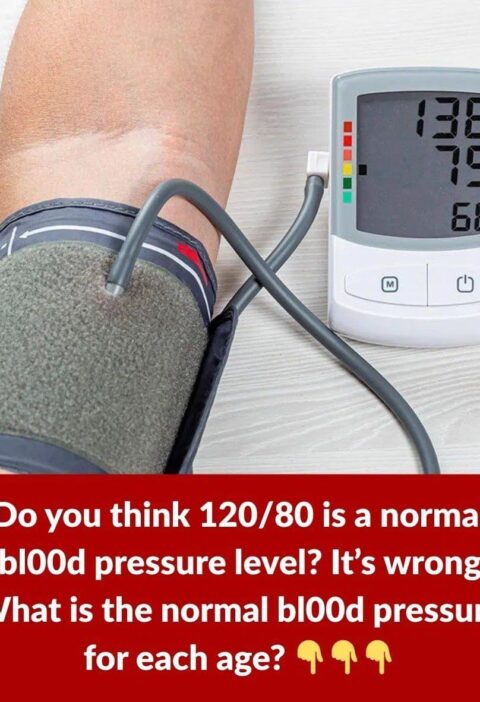
The idea that “if you reach 60 without these 5 diseases, you are likely to live to 100” is a popular health claim, but it is not a guarantee. Reaching age 60 in good health is certainly associated with a better chance of a longer life, but many factors—genetics, lifestyle, environment, access to healthcare, and chance—also play important roles.
The five conditions often mentioned in longevity discussions are:
- Heart disease
- Maintaining healthy blood pressure, cholesterol, activity levels, and avoiding smoking can lower risk.
- Stroke
- Managing blood pressure, diabetes, and heart rhythm problems can reduce risk.
- Cancer
- Many cancers are influenced by age and genetics, but screening and healthy habits can improve outcomes.
- Diabetes
- Keeping blood sugar in a healthy range helps protect the heart, kidneys, nerves, and eyes.
- Dementia and serious cognitive decline
- Brain health is linked with cardiovascular health, physical activity, sleep, social connection, and managing risk factors.
People who enter older age without major chronic diseases often have a greater chance of maintaining independence and reaching advanced ages, but absence of these illnesses does not predict a definite lifespan. Some people with chronic conditions live into their 90s, while others without them may develop new health problems later.
Helpful habits associated with healthy aging include:
- Regular physical activity (especially strength and balance exercises)
- A nutritious diet rich in vegetables, fruits, legumes, whole grains, and healthy proteins
- Not smoking
- Limiting alcohol
- Maintaining social connections
- Regular medical checkups and recommended screenings
- Good sleep habits
A healthier way to phrase the claim would be: “Reaching 60 without major chronic diseases is a positive sign for healthy aging, but it does not guarantee living to 100.”