High blood sugar (hyperglycemia) can sometimes feel worse at night because glucose levels may rise after dinner, hormones involved in the body’s sleep cycle can affect insulin sensitivity, and nighttime symptoms are more noticeable when you are resting.
7 common nighttime symptoms of hyperglycemia (often noticed after 10 p.m.):
- Frequent urination during the night (nocturia)
- High glucose makes the kidneys remove extra sugar through urine, pulling more water with it.
- You may wake up multiple times to urinate.
- Excessive thirst or a dry mouth
- Fluid loss from frequent urination can cause intense thirst, dry mouth, or a sticky feeling in the mouth at night.
- Restless sleep or waking up frequently
- Blood sugar swings can interfere with sleep, causing repeated awakenings or difficulty staying asleep.
- Night sweats
- Some people experience sweating at night with glucose fluctuations. (Sweating is especially common if blood sugar drops too low, so checking glucose can help distinguish causes.)
- Blurred vision
- Elevated glucose can temporarily change the shape of the eye’s lens, causing fluctuating or blurry vision, sometimes noticed when waking at night or early morning.
- Increased hunger or cravings late at night
- When glucose cannot enter cells effectively, the body may signal a need for more energy, leading to hunger even after eating.
- Fatigue, weakness, or morning tiredness
- High nighttime glucose can leave you feeling unrefreshed, tired, or sluggish the next day.
Other nighttime clues that may occur:
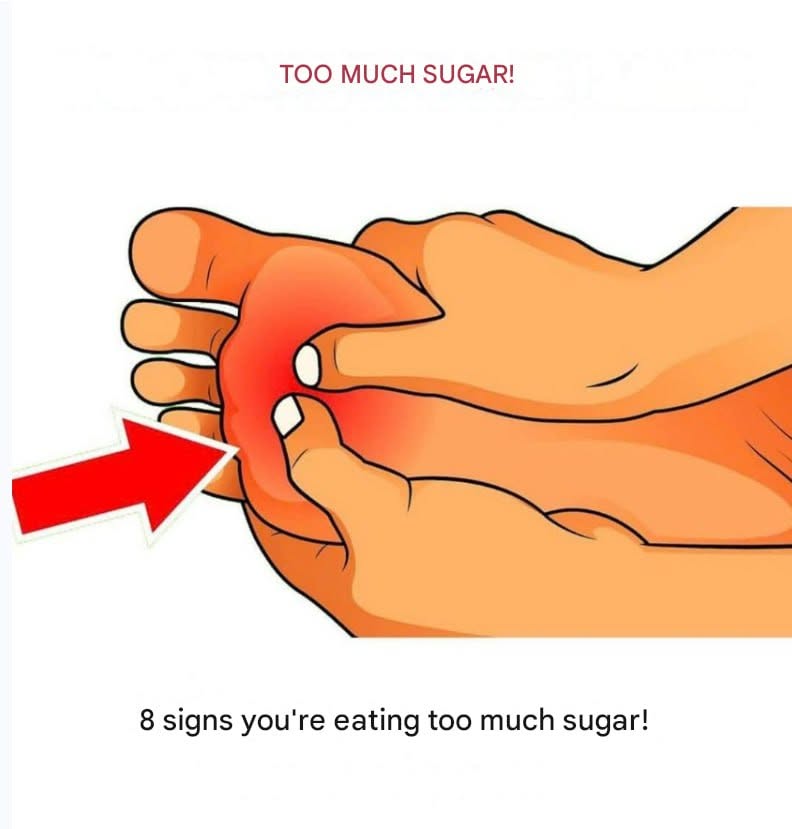
- Tingling or numbness in the feet
- Leg cramps
- Slow-healing wounds or recurrent infections
- Headaches on waking
Symptoms alone cannot confirm diabetes. If you notice several of these signs—especially increased thirst, frequent urination, unexplained weight loss, or persistent fatigue—consider getting a blood glucose test such as fasting blood sugar, HbA1c, or a doctor-recommended glucose evaluation.
Seek urgent medical care if high blood sugar symptoms occur with vomiting, severe abdominal pain, confusion, difficulty breathing, or extreme weakness, as these can be signs of a serious complication.