Atorvastatin: What You Should Know About Its Possible Side Effects
Atorvastatin is a commonly prescribed medication used to lower cholesterol and reduce the risk of heart attack and stroke. It belongs to a class of drugs called statins. Most people take it without serious problems, but like all medications, it can cause side effects.
Common Side Effects
These side effects are usually mild and may improve as your body adjusts to the medication:
- Muscle aches or soreness
- Joint pain
- Headache
- Nausea
- Diarrhea
- Indigestion
- Fatigue
Not everyone experiences these effects, and many people have no noticeable side effects at all.
Muscle-Related Side Effects
One of the most discussed side effects of statins is muscle pain.
Symptoms may include:
- Muscle aches
- Tenderness
- Weakness
- Cramps
In rare cases, statins can cause a serious condition called Rhabdomyolysis, in which muscle tissue breaks down and can damage the kidneys.
Seek medical attention promptly if you develop:
- Severe muscle pain
- Significant muscle weakness
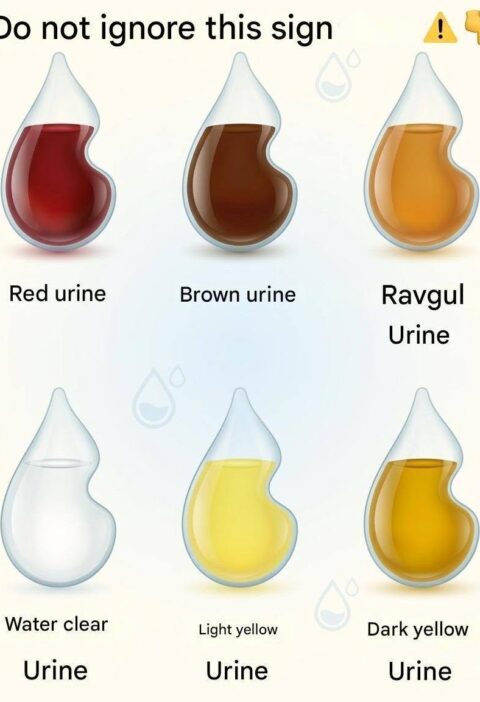
- Dark or cola-colored urine
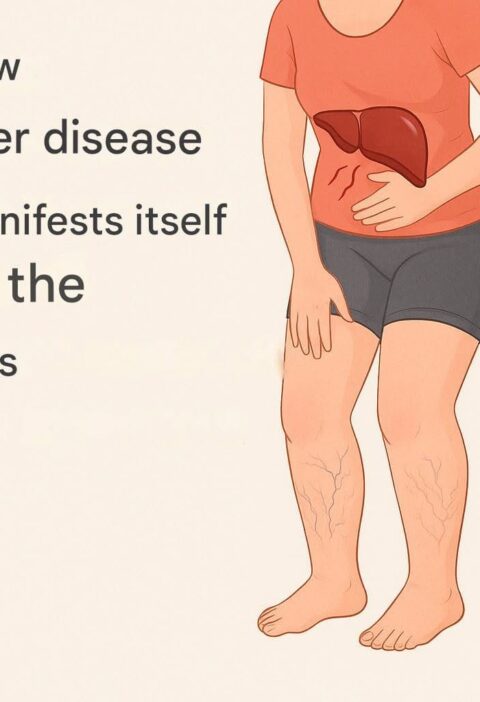
Liver Effects
Statins can sometimes affect liver function.
Contact a healthcare professional if you notice:
- Yellowing of the skin or eyes (Jaundice)
- Dark urine
- Persistent nausea
- Unusual fatigue
- Pain in the upper right abdomen
Healthcare providers may occasionally monitor liver function, especially if symptoms arise.
Blood Sugar Changes
Some studies have found that statins may slightly increase blood sugar levels and may contribute to the development of Type 2 diabetes in some people who are already at risk.
However, for most patients, the cardiovascular benefits of statin therapy greatly outweigh this small risk.
Possible Digestive Symptoms
Some people report:
- Constipation
- Diarrhea
- Gas
- Stomach discomfort
These symptoms are usually mild and temporary.
Rare Allergic Reactions
Although uncommon, seek emergency medical attention if you develop:
- Swelling of the face, lips, tongue, or throat
- Difficulty breathing
- Severe rash or hives
Important Drug and Food Interactions
Grapefruit
Grapefruit and grapefruit juice can increase atorvastatin levels in the body, potentially raising the risk of side effects.
Other Medications
Some antibiotics, antifungal medications, and other drugs can interact with atorvastatin. Always inform your healthcare provider about all medications and supplements you take.
When to Contact Your Doctor
Speak with a healthcare professional if you experience:
- Persistent muscle pain
- Unexplained weakness
- Severe fatigue
- Signs of liver problems
- Any new or concerning symptoms after starting the medication
Do not stop taking atorvastatin without medical advice, especially if it was prescribed to reduce your risk of heart attack or stroke.