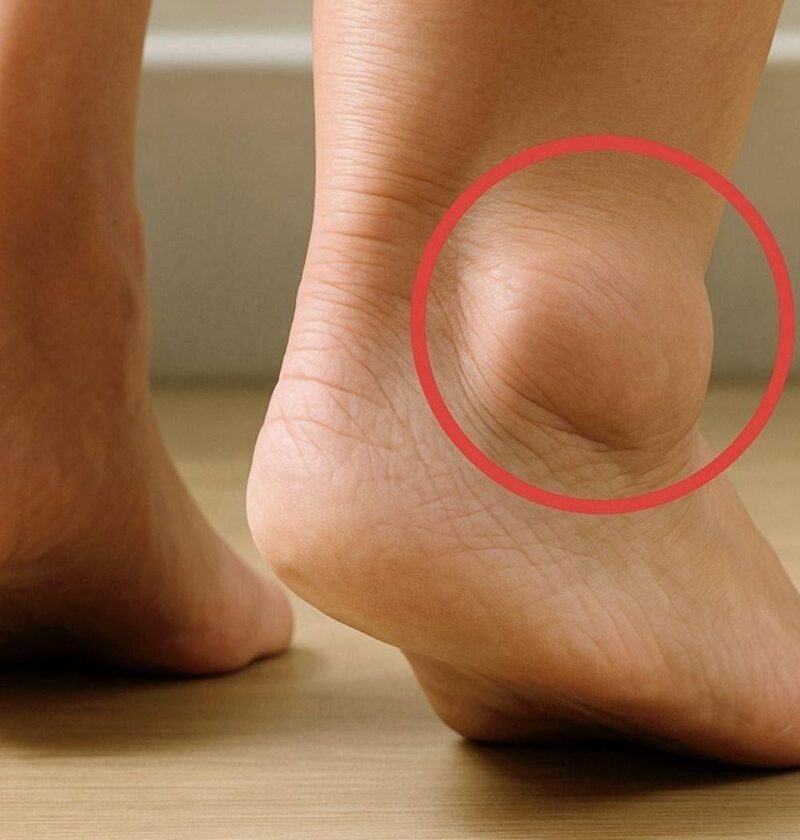
If you notice your legs are swollen, it can be a sign of several different health issues, but it does not automatically mean cancer.
Leg swelling (especially swelling in the feet, ankles, or lower legs) is called edema and can happen for many reasons, including:
- Fluid retention from sitting or standing for long periods
- Vein problems such as chronic venous insufficiency or varicose veins
- Heart, kidney, or liver conditions
- Certain medications (including some blood pressure medicines such as amlodipine)
- Blood clots (often causing swelling in one leg, sometimes with pain or warmth)
- Infections or injuries
In some cases, swelling can be associated with cancer, particularly if a tumor affects lymph drainage or presses on blood vessels, but this is much less common than other causes.
Seek medical attention promptly if leg swelling:
- Appears suddenly, especially in one leg
- Comes with chest pain, shortness of breath, or coughing blood
- Is painful, red, or warm
- Gets progressively worse
- Is accompanied by unexplained weight loss, night sweats, or persistent fatigue
A healthcare professional can usually narrow down the cause through an examination and, if needed, tests such as blood work or imaging.
If you mean a specific situation (for example, both legs swollen, one leg swollen, swelling at night, or swelling with pain), the likely causes can be different.