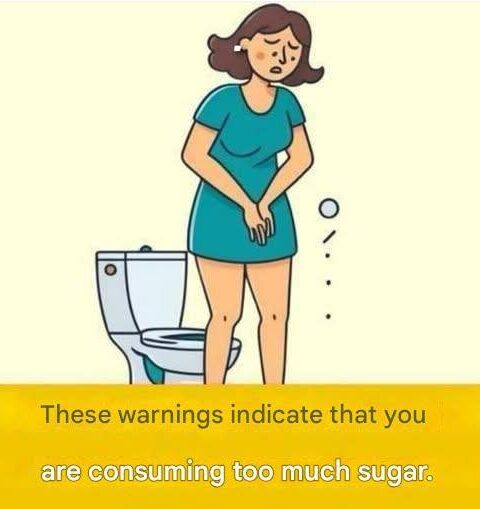
The title “23 Strange Signs Your Kidneys Might Be in Trouble” is written in a dramatic style, but kidney problems can sometimes develop quietly. Many symptoms are not unique to kidney disease, so they need to be considered along with medical history and testing.
Some possible signs that may occur with kidney problems include:
- Changes in urination
- Needing to urinate more often (especially at night)
- Urinating much less than usual
- Foamy urine
- Blood in the urine
- Difficulty urinating
- Swelling (fluid retention)
- Swollen ankles, feet, legs, hands, or around the eyes can happen when kidneys do not remove enough fluid.
- Persistent tiredness
- Kidney disease can contribute to anemia and toxin buildup, which may cause fatigue.
- Changes in appetite
- Loss of appetite, nausea, or an unusual taste in the mouth can occur in more advanced kidney problems.
- Itchy skin
- Some people with reduced kidney function experience persistent itching.
- Muscle cramps or weakness
- Changes in mineral and electrolyte balance can affect muscles.
- Shortness of breath
- Fluid buildup or anemia related to kidney disease may contribute to breathing difficulties.
- Trouble concentrating or feeling confused
- Severe kidney dysfunction can affect brain function.
- High blood pressure
- Kidney problems and high blood pressure can worsen each other.
- Back or side discomfort
- Kidney infections or kidney stones can cause pain, though many kidney diseases cause no pain at all.
Things that increase kidney risk
- Diabetes
- High blood pressure
- Heart disease
- Family history of kidney disease
- Smoking
- Frequent or high-dose use of certain pain medicines (such as NSAIDs)
Protecting kidney health
- Keep blood pressure and blood sugar controlled.
- Drink enough fluids (unless a doctor has advised fluid restriction).
- Avoid unnecessary use of medications or supplements that may stress the kidneys.
- Eat a balanced diet with appropriate salt intake.
- Get kidney function checked if you have risk factors.
Seek medical advice if you notice blood in urine, sudden swelling, a major change in urination, severe flank pain, or rapidly worsening symptoms.
A simple blood test (such as creatinine/eGFR) and urine test can often provide important information about kidney function.