.
🌿 What cloves actually are
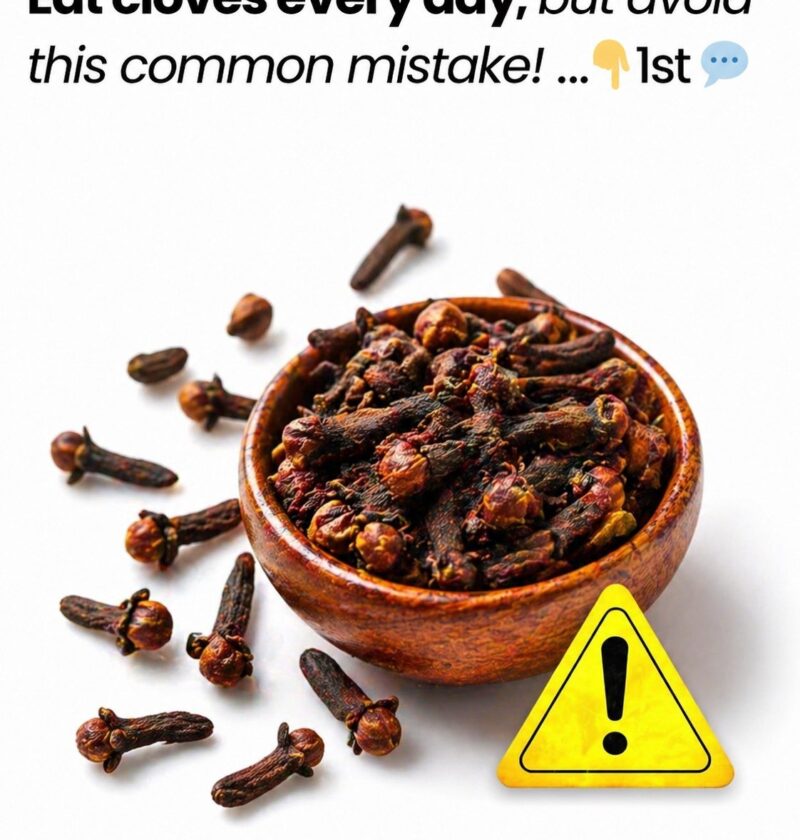
Clove are a common spice used in cooking and traditional remedies. They contain compounds like eugenol, which has mild:
- Antioxidant effects
- Antimicrobial properties
- Pain-relieving (local numbing) properties
That’s why cloves are sometimes used in herbal teas or for temporary toothache relief.
☕ “Clove tea dangers” — what’s real vs exaggerated
⚠️ Real risks (only in certain situations)
Cloves can cause problems if:
- You use very high amounts regularly
→ Excess eugenol can irritate the liver in extreme doses - You take clove oil internally (especially undiluted)
→ This is much stronger than culinary use and can be toxic - You have bleeding disorders or take blood thinners
→ Cloves may mildly affect clotting - You are allergic or sensitive
→ Rare, but possible irritation - You give concentrated clove preparations to children
→ Higher sensitivity risk
❌ What is NOT true
- Clove tea does NOT “secretly damage most people”
- It is NOT a hidden poison in normal kitchen use
- It does NOT require fear-based “5 critical mistakes” warnings for casual consumption
🧠 Safe use guidelines
Normal culinary use is safe:
- A pinch in tea or food is generally fine
- Occasional clove tea is usually safe for healthy adults
- Problems mainly come from concentrated oils or excessive intake