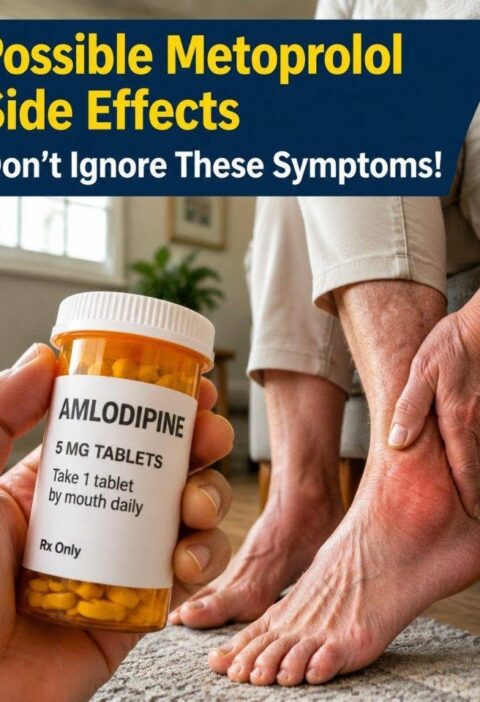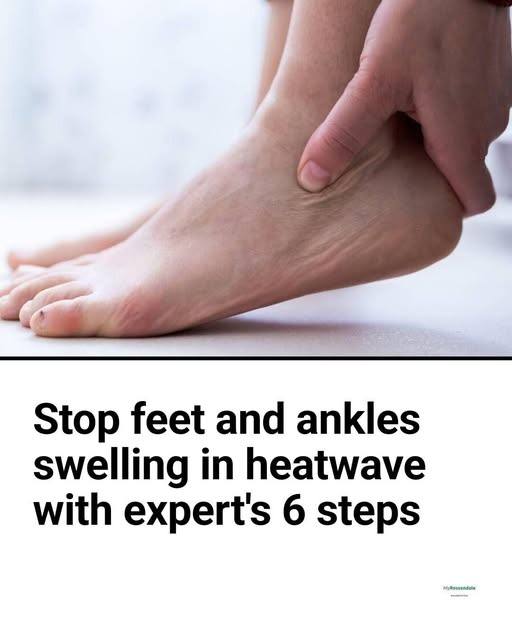
That headline refers to a very common warm-weather issue: heat-related swelling in the lower legs, also called mild peripheral edema.
When it’s hot, blood vessels widen to help the body cool down. This can allow fluid to pool in the feet and ankles, especially when sitting or standing for long periods.
What can help
🦵 Elevate your legs
- Raise your feet above heart level for 15–30 minutes
- Helps fluid return toward the heart and reduces swelling
🚶 Keep moving
- Walk regularly or flex your ankles if sitting for long periods
- Calf muscles act like a pump to move fluid upward
💧 Stay hydrated
- Drinking enough water helps regulate fluid balance
- Dehydration can actually make swelling worse
❄️ Cool down your body
- Stay in shade or air-conditioned areas when possible
- Cool showers or cold compresses can help reduce swelling
👟 Wear loose footwear
- Avoid tight shoes or socks during hot weather
- Choose breathable, comfortable footwear
🧂 Be mindful of salt
- High salt intake can contribute to fluid retention in some people
When swelling is NOT just from heat
Seek medical advice if:
- swelling is only in one leg
- the area is painful, red, or warm
- it comes on suddenly
- you also have chest pain or shortness of breath
- it doesn’t improve with rest and cooling
Bottom line
Mild ankle and foot swelling in a heatwave is usually harmless and temporary. It happens due to normal changes in blood flow and fluid distribution in heat. Simple steps like elevating your legs, staying hydrated, moving regularly, and keeping cool usually help. Persistent, painful, or one-sided swelling should be checked by a healthcare professional.