9 Warning Signs Your Kidneys May Be Failing (and Tests That Help Protect Kidney Function)
Kidney disease often develops quietly. Many people have few symptoms in the early stages, so regular testing is important—especially for people with diabetes, high blood pressure, heart disease, or a family history of kidney problems.
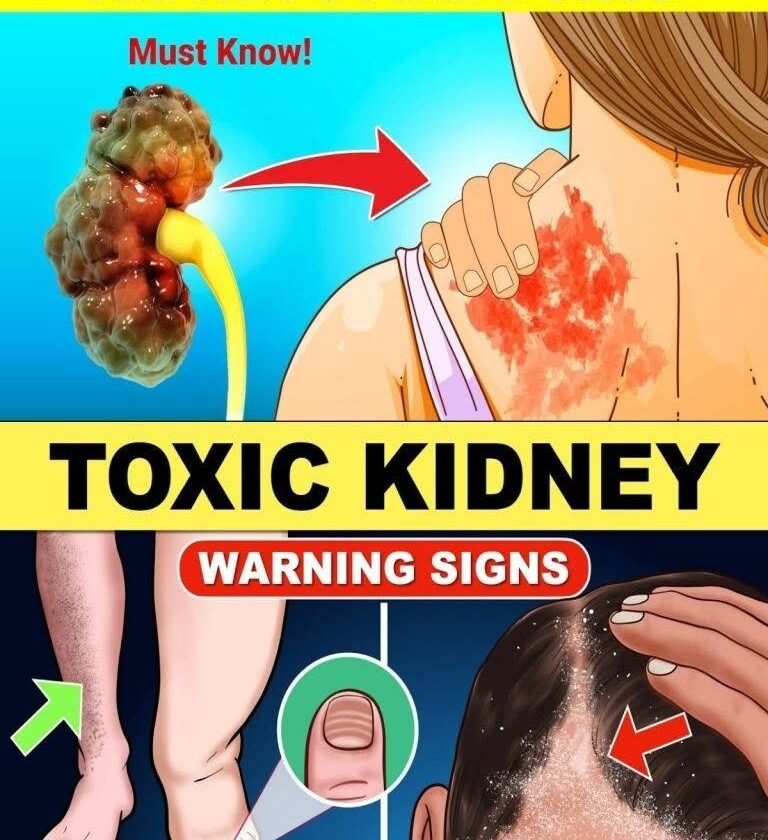
9 possible warning signs
- Changes in urination
- Urinating more often (especially at night)
- Producing much less urine than usual
- Foamy urine
- Blood in the urine
- Swelling in the body
- Puffiness around the eyes or swelling in the feet, ankles, and legs due to fluid buildup.
- Persistent tiredness or weakness
- Reduced kidney function can contribute to anemia and waste buildup, causing fatigue.
- Nausea, poor appetite, or weight changes
- Advanced kidney problems can affect digestion and appetite.
- Itchy or dry skin
- Mineral and waste imbalances may contribute to itching.
- Shortness of breath
- Fluid retention or anemia related to kidney disease can affect breathing.
- Trouble concentrating or confusion
- Severe kidney dysfunction can allow waste products to build up in the blood.
- Muscle cramps or weakness
- Changes in electrolytes such as potassium and calcium can affect muscles.
- High blood pressure
- Kidney disease can raise blood pressure, and uncontrolled blood pressure can further damage kidneys.
Kidney tests that can detect problems early
1. Blood test: Creatinine and eGFR
- Measures how well the kidneys filter waste from the blood.
2. Urine albumin-to-creatinine ratio (UACR)
- Detects small amounts of protein leakage, which can be an early sign of kidney damage.
3. Blood pressure measurement
- High blood pressure is one of the leading causes of kidney damage.
4. Additional tests (when needed)
- Kidney ultrasound or other imaging
- Electrolyte tests (such as potassium levels)
Steps that may help slow kidney disease
- Keep blood pressure and blood sugar controlled.
- Avoid frequent use of NSAID painkillers (such as ibuprofen or naproxen) unless advised by a healthcare professional.
- Limit excess salt intake.
- Maintain a healthy weight.
- Exercise regularly.
- Avoid smoking.
- Take prescribed medications correctly.
- Get regular kidney checks if you are at higher risk.
Early detection and proper treatment can often slow the progression of kidney disease and reduce the chance of reaching kidney failure requiring dialysis. If you notice a sudden drop in urine output, severe swelling, confusion, chest pain, or severe breathing difficulty, seek medical care promptly.