Sebaceous Cysts Explained: Main Causes and Home Remedy Solutions
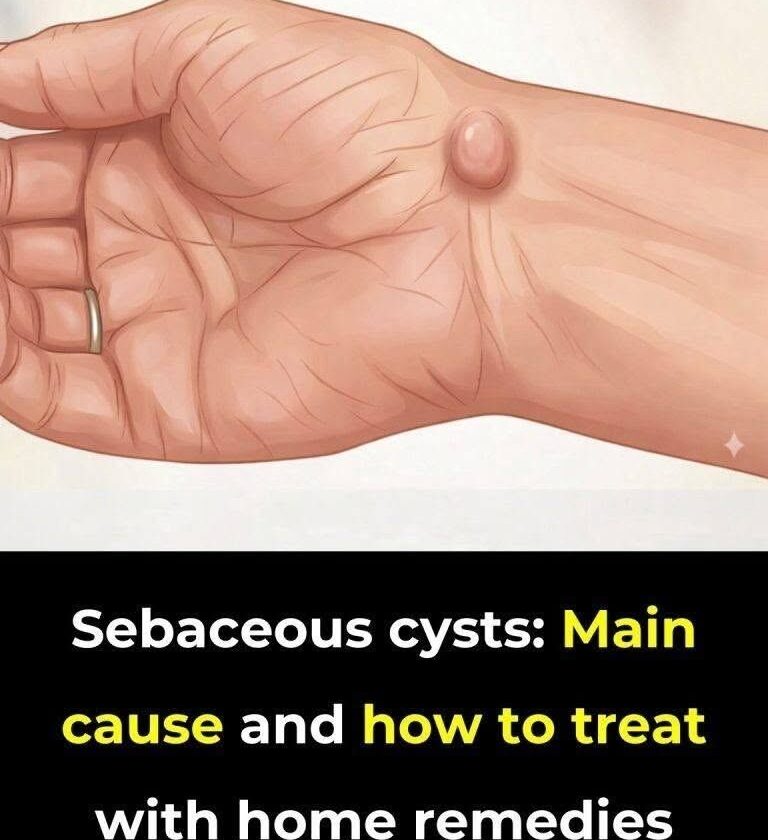
A sebaceous cyst is a small, usually slow-growing lump beneath the skin. Many lumps commonly called “sebaceous cysts” are actually epidermoid cysts, which are filled with keratin (a protein found in skin, hair, and nails) rather than oil from sebaceous glands.
They most often occur on the:
- Face
- Neck
- Scalp
- Back
- Chest
Common causes
Sebaceous or epidermoid cysts may develop due to:
- Blocked hair follicles or skin pores
- Injury to the skin, which can trap skin cells beneath the surface
- Damage to a sebaceous gland
- Acne or inflamed hair follicles
- Genetic conditions (less commonly)
In many cases, no specific cause is identified.
Symptoms
A sebaceous cyst typically appears as:
- A round, smooth lump under the skin
- A bump that moves slightly when pressed
- Usually painless unless it becomes inflamed or infected
- A small central opening (called a punctum) may be visible
- Slow growth over time
If the cyst becomes infected, it may become:
- Red
- Warm
- Swollen
- Painful
- Filled with foul-smelling drainage
Home care
Small, non-infected cysts often do not need treatment. You can try the following:
1. Apply a warm compress
Place a clean, warm (not hot) washcloth over the cyst for 10–15 minutes, 3–4 times a day. This may improve comfort and encourage natural drainage.
2. Keep the area clean
Wash gently with mild soap and water, and avoid picking at the cyst.
3. Don’t squeeze or pop it
Trying to burst a cyst yourself can:
- Increase the risk of infection
- Cause scarring
- Push the contents deeper into the skin
- Make the cyst more likely to return
4. Reduce friction
If the cyst is in an area that rubs against clothing, protecting it from irritation may reduce discomfort.
When to see a doctor
Seek medical evaluation if the cyst:
- Becomes red, swollen, or very painful
- Drains pus or develops a bad odor
- Grows rapidly
- Keeps coming back
- Interferes with daily activities
- Is located in a sensitive area or you’re unsure of the diagnosis
A healthcare professional may recommend:
- Draining the cyst if it is infected or causing significant discomfort
- Antibiotics if there is a bacterial infection
- Surgical removal of the entire cyst wall, which is the most effective way to prevent recurrence