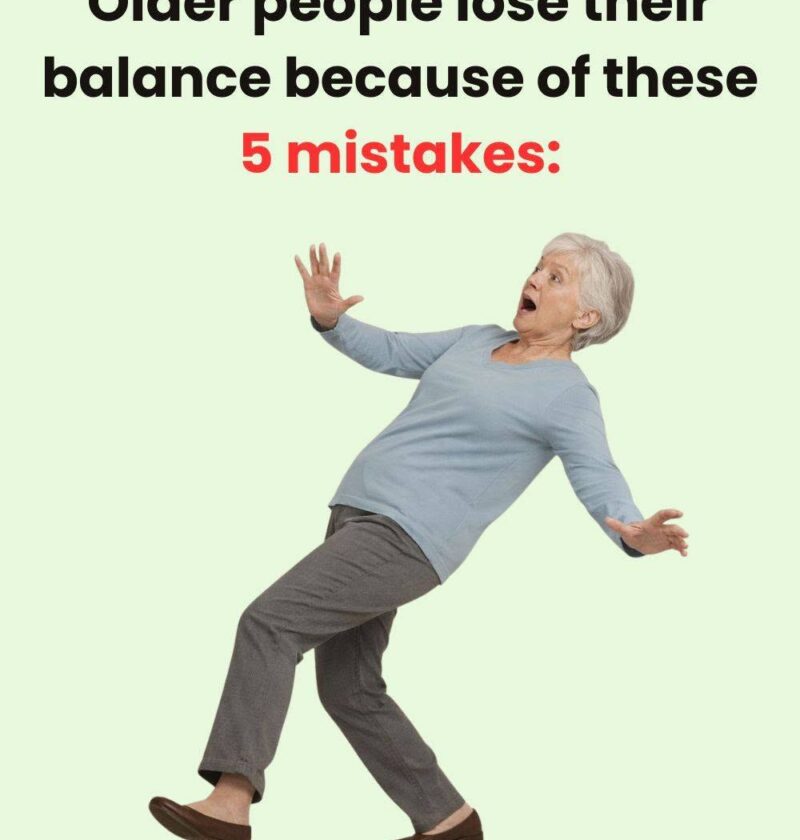
Common Mistakes That Affect Balance in Older Adults
As we age, maintaining good balance becomes increasingly important for preventing falls and staying independent. While some changes in balance are a normal part of aging, many everyday habits can make balance worse—and many of them can be corrected.
1. Being inactive
A lack of regular movement can weaken muscles and reduce flexibility, making it harder to stay steady.
What helps:
- Walk regularly if you’re able.
- Include strength and balance exercises, such as standing on one foot while holding a stable surface or practicing gentle chair exercises.
- Ask your healthcare provider which activities are appropriate for you.
2. Wearing the wrong footwear
Shoes that are loose, worn out, or have slippery soles can increase the risk of falls.
Choose shoes that:
- Fit well
- Have non-slip soles
- Provide good support
- Have a low, stable heel
Avoid walking in socks on smooth floors.
3. Standing up too quickly
Getting up suddenly from a bed or chair can cause a temporary drop in blood pressure (called orthostatic hypotension), leading to dizziness or lightheadedness.
Try this:
- Sit on the edge of the bed for a few moments before standing.
- Stand up slowly and wait until you feel steady.
4. Not drinking enough fluids
Dehydration can contribute to dizziness, weakness, and poor balance.
Aim to:
- Drink fluids regularly throughout the day, unless your healthcare provider has advised you to limit fluids because of a medical condition.
5. Ignoring vision or hearing changes
Good vision and hearing help you stay oriented and aware of your surroundings.
- Have regular eye exams.
- Keep glasses prescriptions up to date.
- Address hearing problems if they develop.