Aloe Vera and Eye Comfort After 40 – What Science Says About Red, Dry, and Irritated Eyes
Understanding Why Eye Discomfort Becomes More Common After 40
Many adults notice changes in their eye comfort as they get older. Symptoms such as dryness, redness, irritation, burning sensations, and occasional blurry vision become increasingly common after age 40.
These changes may be influenced by:
- Reduced tear production
- Hormonal changes
- Increased screen time
- Certain medications
- Environmental factors such as air conditioning or dry climates
- Age-related eye conditions
One condition frequently associated with these symptoms is Dry Eye Disease, which affects millions of adults worldwide.
Because of growing interest in natural wellness, many people wonder whether aloe vera can help support eye comfort.
What Is Aloe Vera?
Aloe vera is a succulent plant known for its gel-like interior. It contains:
- Water
- Polysaccharides
- Antioxidants
- Vitamins
- Plant compounds with soothing properties
Aloe vera has a long history of use in skincare and wound care because of its moisturizing and calming effects.
However, the eyes are extremely sensitive organs, and benefits seen on the skin do not automatically apply to direct eye use.
Why People Consider Aloe Vera for Eye Comfort
Aloe vera is often discussed in natural health circles because of its potential to:
- Support hydration
- Provide antioxidant compounds
- Help soothe irritated tissues
- Support healthy inflammatory responses
These properties have led some people to explore aloe vera as part of a broader eye wellness routine.
Can Aloe Vera Help Dry Eyes?
Dry eyes occur when tears are either insufficient or evaporate too quickly.
Some preliminary research has explored aloe-derived ingredients in specially formulated ophthalmic products. Researchers are interested in whether certain aloe compounds may help support:
- Tear film stability
- Moisture retention
- Surface comfort of the eye
However, evidence remains limited, and more high-quality studies are needed before firm conclusions can be made.
Important Safety Warning: Never Use Raw Aloe Vera Directly in Your Eyes
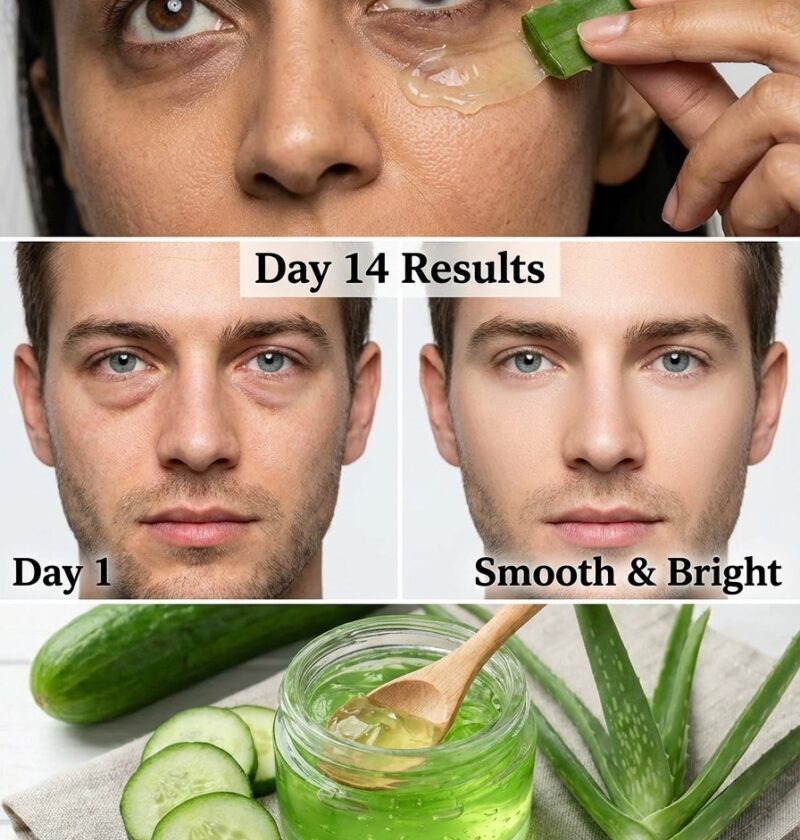
One of the most important points to understand is that fresh aloe vera gel from a plant should not be placed directly into the eyes.
Raw aloe may contain substances that can cause:
- Irritation
- Burning sensations
- Allergic reactions
- Contamination from bacteria or fungi
Eye treatments should only use products specifically manufactured and approved for ophthalmic use.
How Aloe Vera May Indirectly Support Eye Health
While direct application is not recommended, aloe vera may contribute indirectly to wellness through:
Hydration Support
Aloe-based beverages may contribute to overall fluid intake when consumed responsibly as part of a balanced diet.
Proper hydration supports:
- Tear production
- Eye surface moisture
- General body function
Antioxidant Intake
Aloe contains naturally occurring antioxidants that help protect cells from oxidative stress.
Oxidative stress is believed to play a role in many age-related health changes, including those affecting eye tissues.
General Wellness Benefits
Maintaining overall health supports eye comfort.
A healthy lifestyle that includes:
- Adequate hydration
- Nutritious foods
- Good sleep
- Regular exercise
may help support healthy vision and eye function as you age.
Other Natural Strategies That May Help Dry and Irritated Eyes
People over 40 often benefit from simple daily habits such as:
Increasing Water Intake
Proper hydration supports healthy tear production.
Taking Screen Breaks
The 20-20-20 rule is commonly recommended:
- Every 20 minutes
- Look at something 20 feet away
- For at least 20 seconds
Using Artificial Tears
Lubricating eye drops recommended by an eye-care professional can help relieve dryness.
Eating Eye-Friendly Foods
Foods rich in omega-3 fatty acids, antioxidants, and vitamins may support eye health, including:
- Salmon
- Sardines
- Leafy greens
- Carrots
- Citrus fruits
When Eye Symptoms Should Be Evaluated
Seek professional medical care if you experience:
- Persistent redness
- Eye pain
- Sudden vision changes
- Light sensitivity
- Eye discharge
- Severe dryness that does not improve
These symptoms may indicate conditions requiring medical treatment.
Final Thoughts
Aloe vera is a popular wellness plant with recognized moisturizing and antioxidant properties. While it may support general health and hydration, current evidence does not support using raw aloe vera directly in the eyes to treat redness, dryness, or irritation.
Adults over 40 experiencing ongoing eye discomfort should consider proven approaches such as proper hydration, screen-time management, eye-friendly nutrition, and consultation with an eye-care professional when symptoms persist.
Sources
- American Academy of Ophthalmology
- National Eye Institute
- Mayo Clinic
- American Optometric Association
Part 2: Simple Eye Wellness Routine After 40
Daily Habits
- Drink adequate water throughout the day.
- Follow the 20-20-20 screen break rule.
- Get sufficient sleep each night.
- Wear sunglasses outdoors.
Nutrition Focus
Include foods rich in:
- Omega-3 fatty acids
- Vitamin A
- Vitamin C
- Lutein and zeaxanthin
Avoid
- Smoking
- Excessive screen time without breaks
- Rubbing irritated eyes
- Using homemade remedies directly in the eyes
Quick Reminder
Aloe vera may support general wellness, but persistent red, dry, or irritated eyes should be evaluated by a qualified eye-care professional to determine the underlying cause and appropriate treatment.