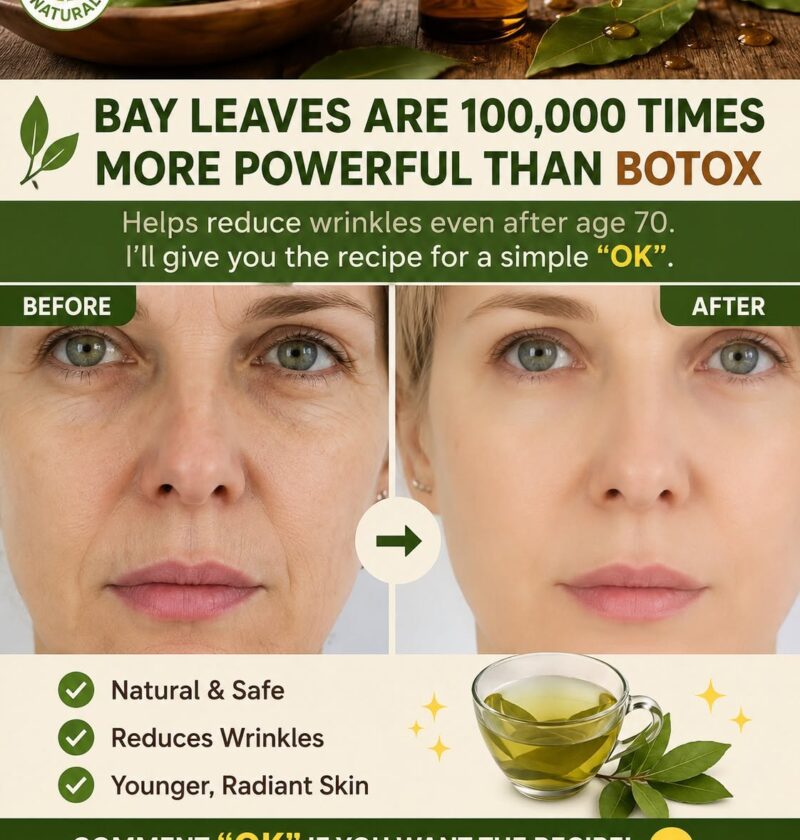
Headlines like “Millions are talking about the secret simple kitchen ingredient for younger-looking skin” are usually designed to create curiosity, but there is no single kitchen ingredient proven to reverse ageing or make skin permanently younger.
That said, some common kitchen ingredients do contain compounds that may support skin health:
🥑 Avocado
- Contains healthy fats and vitamin E.
- Can help moisturise skin when used in skincare products, but rubbing food directly on the face is not the same as using a formulated product.
🍯 Honey
- Has moisturising properties and some antibacterial activity.
- Medical-grade honey is used in certain wound-care settings, but ordinary kitchen honey is not a proven wrinkle treatment.
🥣 Oatmeal
- Contains beta-glucans that can help soothe and support the skin barrier.
- Colloidal oatmeal is a recognised skincare ingredient for dry or irritated skin.
🥛 Yogurt
- Contains lactic acid, a mild exfoliating compound.
- Properly formulated lactic acid products are more predictable and safer than homemade masks.
🫒 Olive oil
- Contains antioxidants and fatty acids.
- It may moisturise some skin types, but it can worsen breakouts for some people.
What actually has the strongest evidence for younger-looking skin?
- Daily sunscreen (SPF 30 or higher) — helps prevent sun-related ageing.
- Retinoids/retinol — among the best-studied ingredients for improving fine lines and skin texture.
- Moisturisers with ingredients like ceramides or hyaluronic acid — support the skin barrier.
- Healthy lifestyle habits — adequate sleep, balanced nutrition, avoiding smoking, and managing stress.
If you share the specific “secret ingredient” mentioned in the article or video (for example baking soda, rice, honey, coffee, etc.), I can check whether the claim has any scientific support or is just a viral beauty myth.