Who Is Most at Risk of Night Cramps?
Night cramps, often called nocturnal leg cramps, are sudden, painful muscle contractions that usually happen in the calf, foot, or thigh during sleep or while resting. They can last from a few seconds to several minutes and may leave the muscle feeling sore afterward.
While anyone can experience them, some people have a higher risk.
1. Older Adults
Night cramps become more common with age. Older adults may experience them because of:
- Natural changes in muscles and nerves
- Reduced flexibility
- Less physical activity
- Changes in circulation
People over 50 are among the groups most likely to report frequent nighttime leg cramps.
2. People Who Are Physically Active
Exercise is healthy, but certain activities can increase the chance of cramps, especially when muscles are overworked.
Higher-risk situations include:
- Intense workouts
- Long-distance running
- Heavy leg exercises
- Sudden increases in activity levels
Muscles that are tired or not properly conditioned may cramp more easily.
3. People Who Are Dehydrated
Low fluid levels can affect normal muscle function.
Risk may increase with:
- Heavy sweating
- Hot weather
- Not drinking enough fluids
- Long periods of physical activity
Hydration helps support normal nerve and muscle activity.
4. Pregnant People
Leg cramps are common during pregnancy, especially later stages.
Possible reasons include:
- Increased pressure on nerves and blood vessels
- Changes in circulation
- Increased demand on muscles
- Changes in body weight and posture
5. People With Certain Medical Conditions
Night cramps may be more common in people with conditions affecting nerves, muscles, or circulation, including:
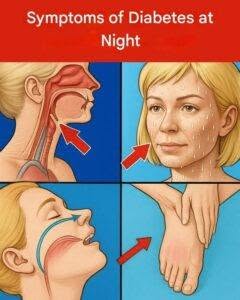
- Diabetes (especially with nerve involvement)
- Kidney disease
- Thyroid disorders
- Nerve disorders
- Peripheral artery disease
If cramps are new, severe, or worsening, medical advice can help identify possible causes.
6. People Taking Certain Medications
Some medicines may increase the chance of muscle cramps in some people, including:
- Certain diuretics (“water pills”)
- Some cholesterol-lowering medicines
- Some blood pressure medicines
- Certain asthma or neurological medications
Do not stop prescribed medicines without speaking with your doctor.
7. People With Poor Sleep Position or Muscle Tightness
Cramps may be triggered by:
- Keeping muscles in one position for a long time
- Tight calf muscles
- Limited stretching
- Reduced movement during the day
Regular gentle movement can help maintain muscle flexibility.
When Should You Talk to a Doctor?
Seek medical advice if night cramps:
- Happen frequently and disturb sleep
- Are very painful or getting worse
- Cause muscle weakness
- Occur with swelling, redness, or warmth in a leg
- Come with numbness or loss of feeling
- Start suddenly without an obvious reason
Simple Ways to Reduce Night Cramps
- Stay hydrated
- Stretch calves and legs gently before bed
- Stay physically active
- Avoid sudden increases in exercise intensity
- Wear comfortable footwear
- Maintain a balanced diet