This Is Why We Get Cramps at Night
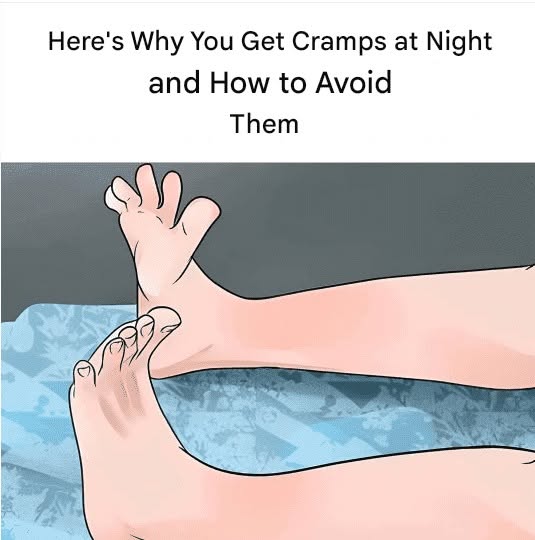
Night cramps, also called nocturnal leg cramps, are sudden, painful muscle contractions that usually affect the calf, foot, or thigh while you’re sleeping or resting. They can last from a few seconds to several minutes and may leave the muscle sore afterward.
Although they are common, the exact cause is not always clear. Several factors can increase the risk.
1. Muscle Fatigue
Overusing your muscles during the day can make them more likely to cramp at night.
Common triggers include:
- Intense exercise
- Long periods of standing
- Physical labour
- Sudden increases in activity
2. Sitting or Standing for Long Periods
Staying in one position for too long can contribute to muscle tightness and increase the likelihood of nighttime cramps.
Taking short walking or stretching breaks during the day may help.
3. Dehydration
Not drinking enough fluids may affect normal muscle function, particularly in hot weather or after heavy sweating.
Staying well hydrated can help support healthy muscle activity.
4. Mineral Imbalances
Low levels of certain minerals involved in muscle contraction may contribute to cramps in some people, including:
- Magnesium
- Potassium
- Calcium
However, these are not the cause of most night cramps, and supplements should only be taken if recommended by a healthcare professional.
5. Pregnancy
Night leg cramps are common during pregnancy, especially in the second and third trimesters. Hormonal changes, increased weight, and changes in circulation may all play a role.
6. Certain Medical Conditions
Night cramps are more common in people with:
- Diabetes
- Kidney disease
- Thyroid disorders
- Peripheral artery disease
- Nerve disorders
Treating the underlying condition may help reduce cramps.
7. Some Medications
Certain medicines may increase the risk of muscle cramps in some people, including:
- Some diuretics (“water tablets”)
- Certain cholesterol-lowering medicines
- Some asthma medications
If you think a medicine may be contributing, speak with your doctor before making any changes.
How to Relieve a Night Cramp
If a cramp strikes:
- Gently stretch the affected muscle.
- Massage the area.
- Walk around if you can.
- Apply a warm towel or heating pad to help the muscle relax.
Can Night Cramps Be Prevented?
These habits may help reduce the frequency of cramps:
- Stay hydrated.
- Stretch your calves and legs before bed.
- Exercise regularly, but avoid overexertion.
- Wear supportive footwear.
- Eat a balanced diet to support overall muscle health.
When to See a Doctor
Seek medical advice if your cramps:
- Occur frequently or severely
- Disrupt your sleep regularly
- Are accompanied by muscle weakness
- Cause swelling, redness, or warmth in the leg
- Begin after starting a new medication