That headline is classic clickbait. It mixes a real medical concept (“thyroid crisis” or thyroid storm) with exaggerated diet claims.
First, what a “thyroid crisis” actually is
A thyroid storm is a rare, life-threatening emergency caused by extremely high thyroid hormone levels, usually in untreated or poorly controlled hyperthyroidism (often Graves’ disease). It’s not something you manage with food—it requires urgent hospital treatment (beta blockers, antithyroid drugs, sometimes ICU care).
So no, there are no “6 foods doctors never tell you about” that determine whether you get a thyroid crisis.
Where food does matter (but in a much smaller way)
Diet can slightly support or interfere with thyroid function in chronic conditions, but it does not trigger or prevent thyroid storm on its own.
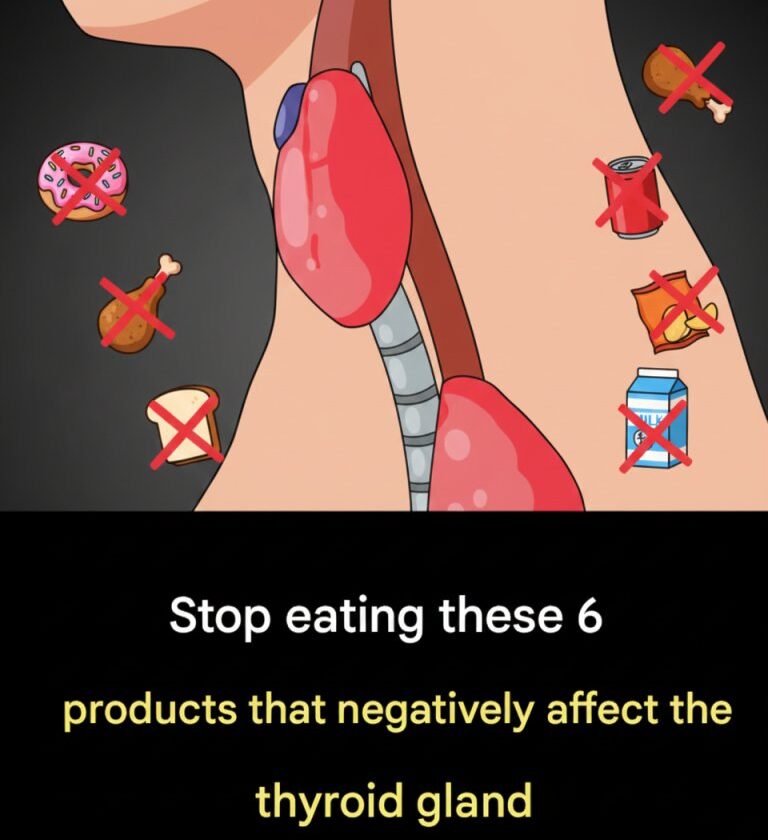
That said, here are foods often discussed in thyroid health—not as “forbidden,” but as things to be mindful of depending on your condition:
1. Iodine-rich foods (excess matters, not normal intake)
Seaweed, iodine supplements, some iodized salt use
- Too much iodine can worsen hyperthyroidism in some cases
- Normal dietary iodine is essential—don’t eliminate it blindly
2. Highly processed foods
Fast food, packaged snacks
- Can worsen overall inflammation and energy levels, but not directly cause thyroid crisis
3. High-caffeine intake
Energy drinks, excessive coffee
- Can mimic or worsen symptoms like palpitations and anxiety in hyperthyroidism
4. Soy products (context-dependent)
Tofu, soy milk
- May interfere with thyroid hormone absorption if taken with medication, especially levothyroxine
5. Very high-fiber meals taken with thyroid medication
Whole grains, bran, etc.
- Can reduce absorption of thyroid meds if timing is poor
6. Cruciferous vegetables (only in very large raw amounts)
Broccoli, cabbage, kale
- Only relevant if iodine intake is low and consumption is extreme; cooked forms are generally fine
The key truth doctors emphasize (but clickbait ignores)
- Thyroid crisis is caused by uncontrolled disease, infection, stress, or stopping medication—not specific foods
- Diet is supportive, not curative or preventive for emergencies
- Medication adherence and monitoring matter far more than food lists
When to actually worry
Seek urgent care if someone with hyperthyroidism has:
- High fever
- Severe fast heartbeat
- Confusion or agitation
- Vomiting/diarrhea with weakness
That’s the real danger zone—not “eating the wrong vegetable.”
If you want, tell me whether you’re dealing with hypothyroidism, hyperthyroidism, or just general fatigue—I can give a practical, evidence-based diet plan without the myths.