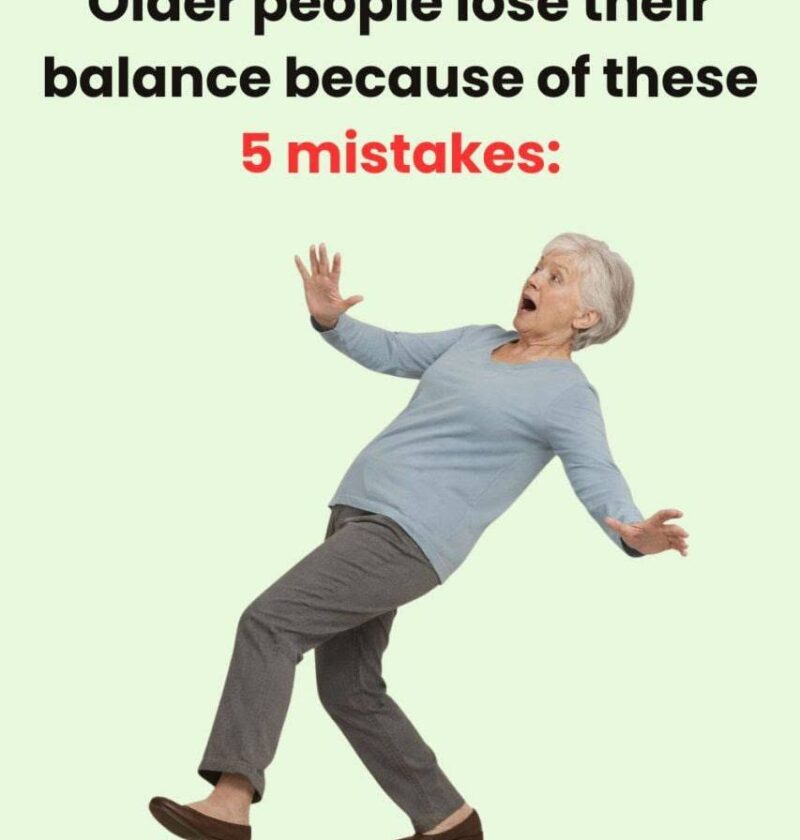
Balance often becomes more challenging with age, but many contributing factors are preventable or manageable. Here are some common mistakes that can increase the risk of falls and affect balance in older adults:
- Being physically inactive
- Lack of regular activity can weaken muscles and reduce flexibility and coordination.
- Exercises that improve strength and balance, such as walking, tai chi, or supervised resistance training, can help.
- Not having vision or hearing checked
- Poor vision makes it harder to detect obstacles.
- Hearing problems can also affect spatial awareness and balance.
- Ignoring medication side effects
- Some medications—including certain sleep aids, sedatives, blood pressure medications, and antidepressants—can cause dizziness or drowsiness.
- A healthcare provider or pharmacist can review medications if balance problems develop.
- Wearing unsafe footwear
- Shoes with slippery soles, high heels, or poor support can increase fall risk.
- Well-fitting shoes with low heels and non-slip soles are generally safer.
- Standing up too quickly
- A sudden drop in blood pressure (orthostatic hypotension) can cause lightheadedness.
- Rising slowly from a chair or bed can reduce this risk.
- Not drinking enough fluids
- Dehydration can contribute to dizziness, weakness, and confusion, all of which can affect balance.
- Poorly managed chronic conditions
- Conditions such as diabetes, arthritis, inner ear disorders, stroke, and Parkinson’s disease can impair balance if not well controlled.
- Not making the home safer
- Loose rugs, poor lighting, electrical cords, and clutter increase the risk of tripping.
- Installing grab bars, using non-slip mats, and improving lighting can make a significant difference.
- Ignoring changes in balance
- Frequent stumbling, dizziness, or feeling unsteady should be discussed with a healthcare professional rather than accepted as a normal part of aging.
Tips for Better Balance
- Stay physically active with exercises that include strength and balance training.
- Eat a balanced diet and stay hydrated.
- Have regular vision and hearing examinations.
- Review medications periodically with a healthcare provider.
- Keep living spaces free of trip hazards.
- Use assistive devices, such as a cane or walker, if recommended.
Bottom line: While some age-related changes are unavoidable, many balance problems are linked to modifiable factors. Addressing strength, vision, medications, hydration, and home safety can substantially reduce the risk of falls and help older adults maintain independence.