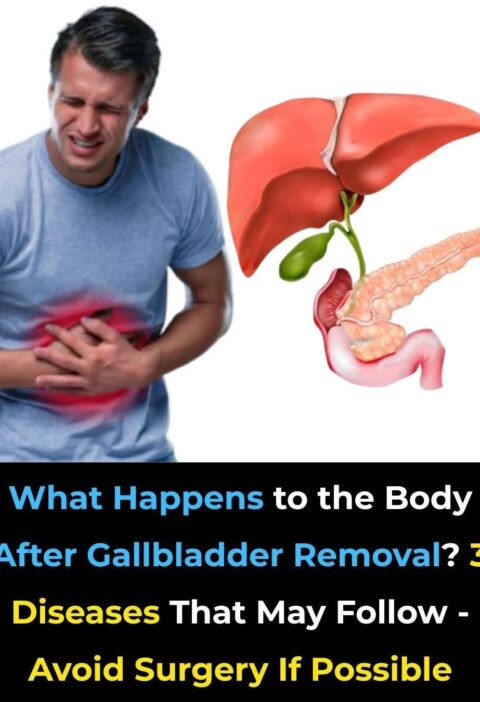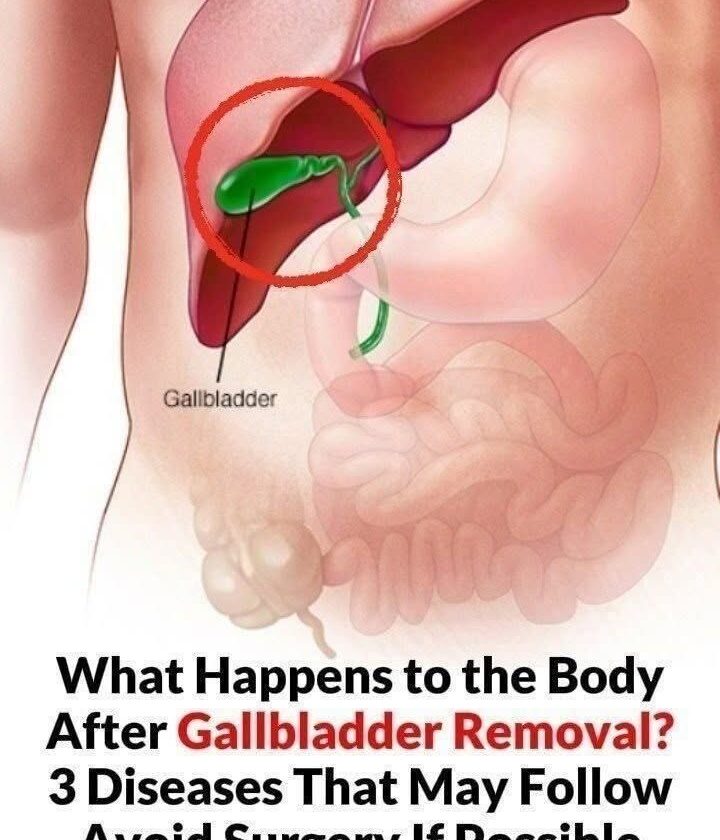
Gallbladder removal (cholecystectomy) is a common and generally safe surgery, but claims that people should “avoid the surgery when possible” need context. It is not automatically the best choice for everyone, but it is often recommended when gallstones or gallbladder disease are causing serious or recurring problems because leaving the condition untreated can also carry risks.After gallbladder removal, some people may experience issues such as:
- Post-cholecystectomy syndrome
- Symptoms such as abdominal discomfort, bloating, nausea, indigestion, or diarrhea may continue after surgery.
- Causes can include bile flow changes, remaining stones in the bile ducts, or other digestive conditions.
- Bile-related digestive changes
- Without a gallbladder, bile flows continuously into the intestine rather than being stored and released after meals.
- Some people develop bile acid diarrhea or increased sensitivity to fatty foods. This can often be managed with diet changes or medications.
- Bile duct complications (uncommon)
- Rarely, surgery can cause bile duct injury, leaks, or narrowing.
- These complications can require additional treatment.
However, gallbladder removal can also prevent serious complications from gallstones, including:
- Recurrent painful gallbladder attacks
- Gallbladder infection (cholecystitis)
- Pancreatitis caused by gallstones
- Blockage of bile ducts
Whether surgery is appropriate depends on factors such as:
- Whether stones are causing symptoms
- Frequency and severity of attacks
- Evidence of infection or inflammation
- Overall health and surgical risk
If you’re considering gallbladder surgery, the decision is usually best made with a surgeon after reviewing your symptoms, imaging results, and alternatives. If you share why surgery was recommended (stones, pain attacks, infection, polyps, low function, etc.), I can help you understand the trade-offs.