Fluid Retention, Water Weight, and Safe Reduction Methods (~1500+ words, SEO-Optimized)
Introduction: Can the Body Really Retain “2.5 kg of Fluid”?
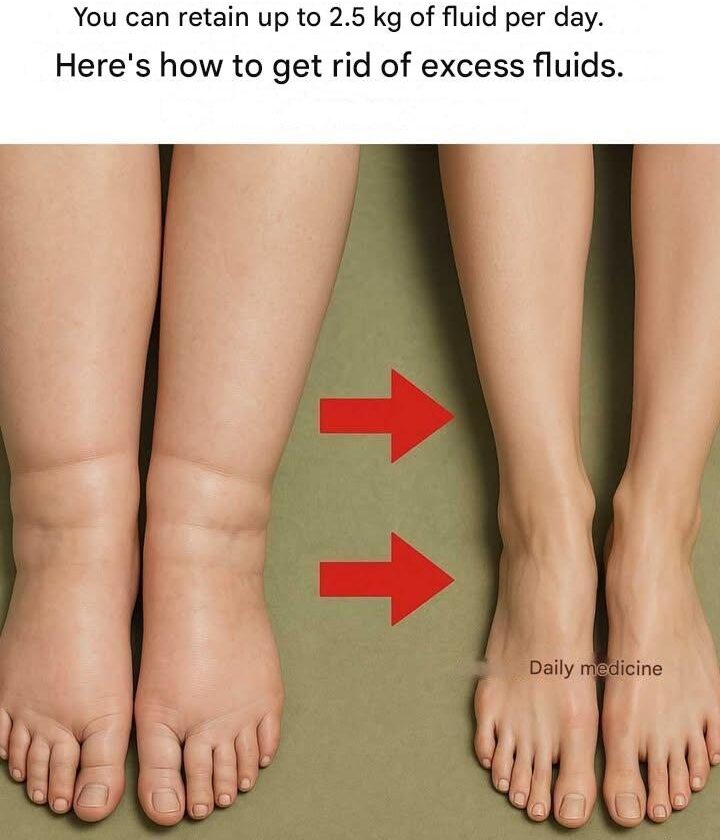
You may see claims online saying the human body can “retain up to 2.5 kg of fluid in a day.” While the exact number varies from person to person, it is true that the body can temporarily hold significant amounts of water weight depending on diet, hormones, activity level, and health conditions.
This condition is known medically as fluid retention.
Edema
Water retention is usually temporary, but in some cases, it may signal an underlying health issue.
Why the Body Holds Extra Water
The human body is designed to carefully regulate fluid balance. When this balance is disrupted, extra fluid can accumulate in tissues or blood vessels.
Common reasons include:
- High salt intake
- Hormonal changes
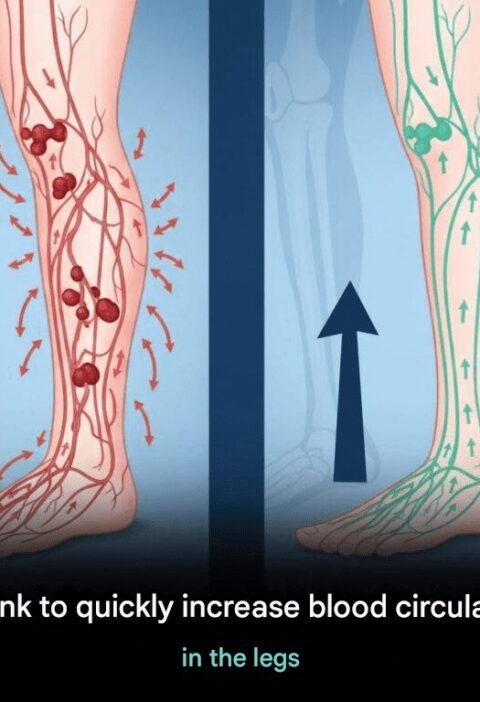
- Poor circulation
- Inactivity
- Certain medications
- Medical conditions affecting heart, kidneys, or liver
How Much Water Weight Can Fluctuate?
Daily weight changes are normal. Many people can experience:
- 0.5 to 2.5 kg (or more) fluctuations
- Higher changes after salty meals
- Temporary bloating during hormonal cycles
These changes are not fat gain—they are fluid shifts.
1. High Salt Intake and Sodium Imbalance
Salt (sodium) is one of the biggest causes of water retention.
How it works:
- Sodium holds water in the body
- Excess sodium causes fluid buildup
- Kidneys retain water to balance concentration
Common sources:
- Processed foods
- Fast food
- Packaged snacks
- Pickles and salty sauces
2. Hormonal Changes
Hormones play a major role in fluid balance, especially in women.
Effects include:
- Temporary bloating
- Swelling in hands or legs
- Weight fluctuations before menstruation
3. Lack of Physical Activity
When you sit or stand for long periods:
- Blood circulation slows
- Fluid pools in lower limbs
- Swelling in feet or ankles may occur
4. Heat and Weather Conditions
Hot weather can cause:
- Blood vessel expansion
- Fluid leakage into tissues
- Temporary swelling
5. Medications That May Cause Fluid Retention
Some medications may contribute to water retention, including:
- Blood pressure drugs
- Steroids
- Hormonal therapies
6. Underlying Health Conditions
In some cases, fluid retention may be linked to health problems:
Heart failure
Kidney disease
Liver disease
These conditions require medical attention.
Symptoms of Fluid Retention
- Swollen ankles or feet
- Puffy hands or face
- Tight clothing or rings
- Sudden weight increase
- Skin that leaves a dent when pressed
How to Reduce Excess Water Weight Safely
1. Reduce Salt Intake
Lowering sodium is one of the most effective methods.
Tips:
- Avoid processed foods
- Choose fresh meals
- Read food labels
2. Drink Enough Water
It may sound strange, but dehydration can cause the body to retain water.
Benefits of hydration:
- Supports kidney function
- Helps flush excess sodium
- Improves metabolism
3. Increase Physical Activity
Movement helps circulation and fluid balance.
Helpful activities:
- Walking
- Light stretching
- Swimming
4. Eat Potassium-Rich Foods
Potassium helps balance sodium levels.
Examples:
- Bananas
- Spinach
- Sweet potatoes
5. Elevate Your Legs
Raising legs helps reduce swelling in lower limbs by improving blood return.
6. Reduce Refined Carbohydrates
Carbs can store water in the body along with glycogen.
Reducing refined carbs may lower temporary water weight.
7. Manage Stress Levels
Stress hormones can affect fluid balance and inflammation.
When Fluid Retention May Be Serious
Seek medical advice if you notice:
- Sudden or severe swelling
- Shortness of breath
- Swelling in one leg only
- Persistent weight gain without reason
Final Thoughts: Water Weight Is Temporary, But Health Matters
Fluctuations in fluid weight are normal and often harmless. However, persistent or unexplained swelling should not be ignored, as it may indicate an underlying medical condition.
Healthy lifestyle habits are the safest and most effective way to manage fluid balance.
PART 2: Simple Guide
Common Causes
- High salt intake
- Hormonal changes
- Lack of movement
- Heat
- Medications
Simple Ways to Reduce Water Weight
- Drink more water
- Reduce salt
- Walk daily
- Eat potassium-rich foods
- Elevate legs
Warning Signs
- Sudden swelling
- One-leg swelling
- Shortness of breath
If you want, I can also turn this into:
- A viral SEO blog (“7 signs your body is retaining too much water”)
- A YouTube script (doctor-style explanation)
- Or a comparison article: water retention vs fat gain explained simply