Nail Changes and What They May Indicate About Your Health (~1500+ words, SEO-Optimized)
Introduction: Why Your Nails Can Reflect Your Health
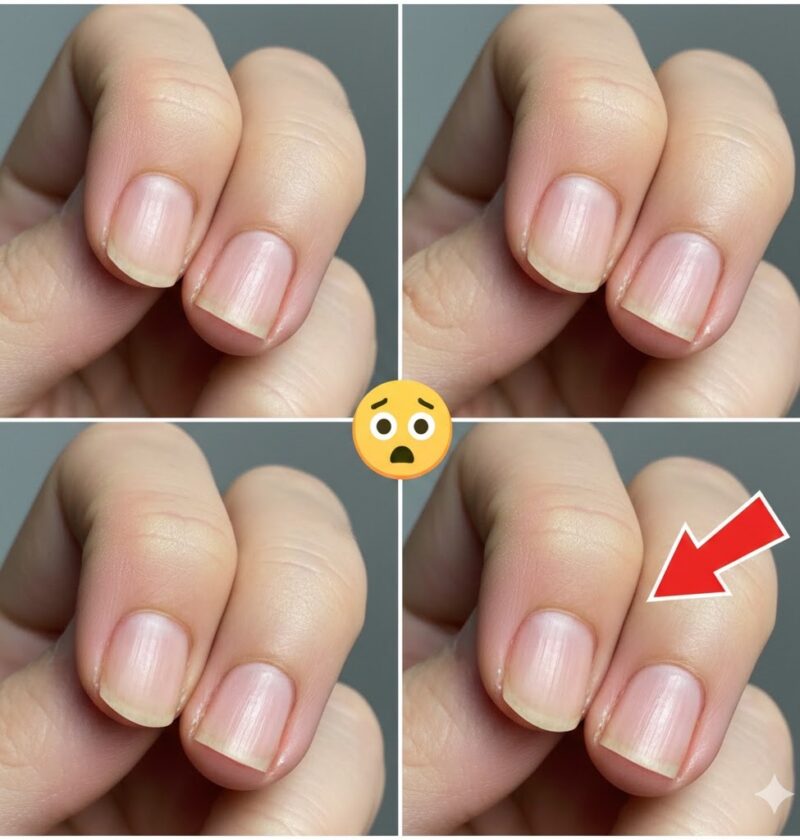
Your nails are more than just a cosmetic feature—they can sometimes provide early clues about what is happening inside your body. Doctors often examine nails during routine checkups because changes in color, shape, or texture may reflect nutritional issues, infections, or chronic health conditions.
However, it is important to understand that nail changes are not a diagnosis on their own. They are warning signs that may need further evaluation.
How Nails Are Connected to Overall Health
Nails are made of keratin, a protein also found in hair and skin. Because nails grow slowly and depend on blood flow, oxygen, and nutrients, they can reflect:
- Circulation health
- Oxygen levels
- Nutritional status
- Hormonal balance
- Systemic diseases
Even small changes can sometimes be meaningful.
1. Brittle or Cracking Nails (Possible Nutrient Deficiency)
What it looks like:
- Nails break easily
- Peeling or splitting
- Dry, rough texture
Possible causes:
- Iron deficiency
- Low biotin intake
- Frequent water exposure
- Aging
Iron deficiency anemia
Low iron levels can reduce oxygen delivery to nail tissue, making them weak and fragile.
2. Pale or White Nails (Possible Blood or Liver Issues)
Healthy nails are usually pink with a white tip. Very pale nails may indicate underlying conditions.
Possible concerns:
- Anemia
- Poor circulation
- Liver disease (in some cases)
Changes in nail color should be checked if persistent.
3. Yellow Nails (Possible Infection or Lung Issues)
What it looks like:
- Yellow discoloration
- Thickened nails
- Slow growth
Possible causes:
- Fungal infection
- Smoking effects
- Chronic lung conditions (rare cases)
Yellowing nails are often due to fungal infections but may sometimes reflect systemic issues.
4. Spoon-Shaped Nails (Iron Deficiency Sign)
What it looks like:
- Nails curve upward like a spoon
- Thin and soft texture
Koilonychia
Possible causes:
- Iron deficiency anemia
- Chronic nutritional deficiency
5. Clubbing of Nails (Possible Lung or Heart Disease Sign)
What it looks like:
- Fingers widen at tips
- Nails curve downward
- Soft nail beds
Nail clubbing
Possible causes:
- Chronic lung disease
- Heart disease
- Low oxygen levels in blood
This is one of the more significant nail changes that should be evaluated.
6. Dark Lines or Streaks Under Nails (Requires Attention)
What it looks like:
- Dark brown or black streaks
- Vertical lines under nail
Possible causes:
- Injury
- Pigmentation changes
- Rarely, skin cancer under the nail
Any new or changing dark streak should be checked by a doctor.
7. White Spots on Nails (Common but Often Harmless)
What it looks like:
- Small white dots or lines
- Appears on one or more nails
Common causes:
- Minor trauma to nail
- Nail growth interruption
These are usually harmless and grow out over time.
Other Nail Changes Worth Noticing
Ridges in nails
May appear with aging or nutritional changes.
Thickened nails
Often linked to fungal infection or long-term pressure.
Brittle nails with splitting
May indicate dehydration or chemical exposure.
When Nail Changes May Signal Serious Conditions
Seek medical advice if you notice:
- Sudden nail discoloration
- Pain or swelling around nails
- Dark streaks that change over time
- Clubbing of fingers
- Persistent nail deformities
How Doctors Diagnose Nail-Related Conditions
Doctors may check:
- Blood tests (iron, vitamin levels)
- Thyroid function
- Skin or nail samples (for infection)
- Imaging (if systemic disease is suspected)
How to Keep Nails Healthy
1. Balanced Diet
Include iron, protein, and vitamins.
2. Avoid Harsh Chemicals
Protect nails from excessive detergents.
3. Keep Nails Clean and Dry
Prevents fungal infections.
4. Moisturize Hands and Nails
Reduces brittleness.
Final Thoughts: Nails Are a Window, Not a Diagnosis
Your nails can provide helpful clues about your health, but they should never be used for self-diagnosis. Many nail changes are harmless or temporary, but persistent or unusual changes should always be evaluated by a healthcare professional.
PART 2: Simple Guide
7 Nail Health Signs
- Brittle nails (possible iron deficiency)
- Pale nails (possible anemia)
- Yellow nails (infection or smoking)
- Spoon-shaped nails (iron deficiency)
- Clubbing (oxygen-related issues)
- Dark streaks (needs medical check)
- White spots (usually harmless)
Basic Care Tips
- Eat a balanced diet
- Keep nails clean and dry
- Avoid harsh chemicals
- See a doctor if changes persist
If you want, I can also turn this into:
- A viral SEO blog (“10 nail signs your body is lacking nutrients”)
- A YouTube medical explainer script
- Or a comparison article: normal nail changes vs dangerous signs explained simply