Your kidneys filter waste and extra fluid from your blood, help control blood pressure, balance minerals, and support healthy red blood cell production. Kidney problems can develop quietly, and some early signs may be easy to overlook.
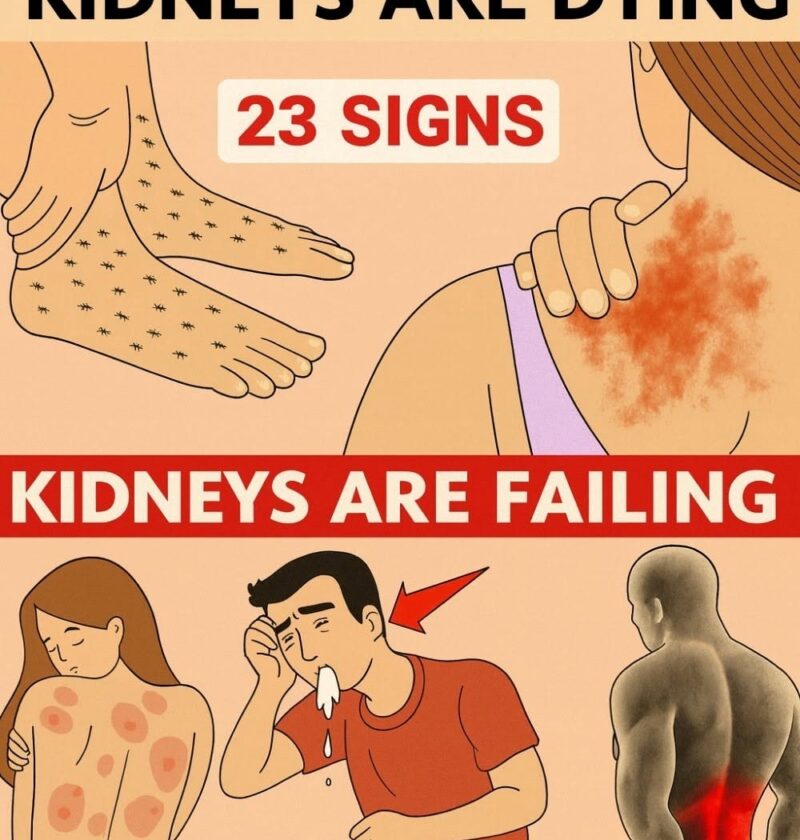
Here are 23 possible signs that may be associated with kidney problems (though many can also have other causes):
- Changes in urination
- Needing to urinate more often, especially at night.
- Urinating much less than usual.
- Difficulty starting urination.
- Foamy or bubbly urine
- Can sometimes indicate excess protein in the urine.
- Blood in the urine
- Urine that appears pink, red, or cola-colored should be checked.
- Swelling (edema)
- Puffiness around the eyes or swelling in the feet, ankles, legs, or hands due to fluid buildup.
- Persistent fatigue
- Kidney disease can contribute to anemia and a buildup of waste products in the blood.
- Trouble concentrating or feeling mentally foggy
- Loss of appetite
- Nausea or vomiting
- Unexplained weight loss
- Itchy skin
- Can occur when waste products build up in advanced kidney disease.
- Dry or unusually dark skin
- Muscle cramps or twitching
- Shortness of breath
- Can occur due to fluid buildup or anemia.
- High blood pressure
- Kidney disease and high blood pressure can worsen each other.
- Back or side pain
- More suggestive of certain kidney problems (such as stones or infection) than chronic kidney disease.
- Painful urination
- Often linked to urinary tract infections or other urinary conditions.
- Bad breath or a metallic taste in the mouth
- Sleep problems
- Feeling cold more often
- Sometimes related to anemia.
- Frequent urinary tract infections
- Pale skin
- Changes in blood test results
- Such as elevated creatinine or reduced estimated kidney function (eGFR).
- Persistent protein in urine
- A key sign doctors check when screening for kidney disease