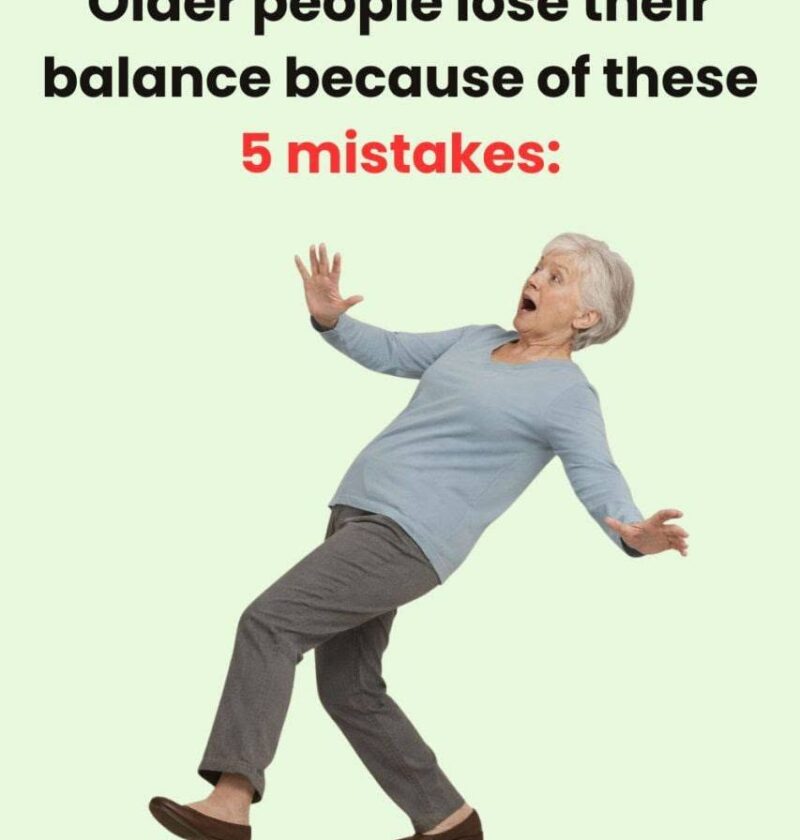
Balance often changes with age, but many balance problems are made worse by everyday habits and preventable factors. Improving balance is important because falls are a major cause of injuries in older adults.
Common mistakes that can affect balance in older adults
- Being too inactive
- Avoiding movement can weaken leg and core muscles, making it harder to stay steady.
- Skipping strength and balance exercises
- Muscle strength, coordination, and reaction time help prevent falls.
- Wearing unsafe footwear
- Loose slippers, worn-out shoes, high heels, or slippery soles can increase fall risk.
- Poor lighting at home
- Dim hallways, dark stairs, and poor bathroom lighting make trips and missteps more likely.
- Ignoring vision problems
- Untreated cataracts, changing prescriptions, or poor depth perception can affect stability.
- Rushing
- Getting up quickly, hurrying to answer the phone, or moving too fast when turning can lead to dizziness or loss of balance.
- Standing up too quickly
- A sudden drop in blood pressure (orthostatic hypotension) can cause lightheadedness.
- Not reviewing medications
- Some medicines can cause dizziness, sleepiness, or low blood pressure. Regular medication reviews with a healthcare professional can help.
- Clutter and home hazards
- Loose rugs, electrical cords, slippery floors, and objects on walkways can create fall risks.
- Not using mobility aids when needed
- Avoiding a cane, walker, or handrail out of embarrassment can increase the chance of falling.
- Poor hydration
- Dehydration can contribute to weakness, dizziness, and confusion.
- Neglecting foot health
- Foot pain, numbness, or conditions such as neuropathy can affect walking stability.
Simple ways to improve balance
- Practice balance exercises (such as standing on one foot while holding a sturdy support, if safe).
- Do regular walking and strength training.
- Keep floors clear and add grab bars or handrails where needed.
- Have vision and hearing checked regularly.
- Get up slowly from chairs or beds.
- Wear supportive, well-fitting shoes.
If an older adult has new dizziness, repeated falls, sudden balance changes, weakness on one side, trouble speaking, or severe headaches, medical evaluation is important because these can be signs of a more serious condition.