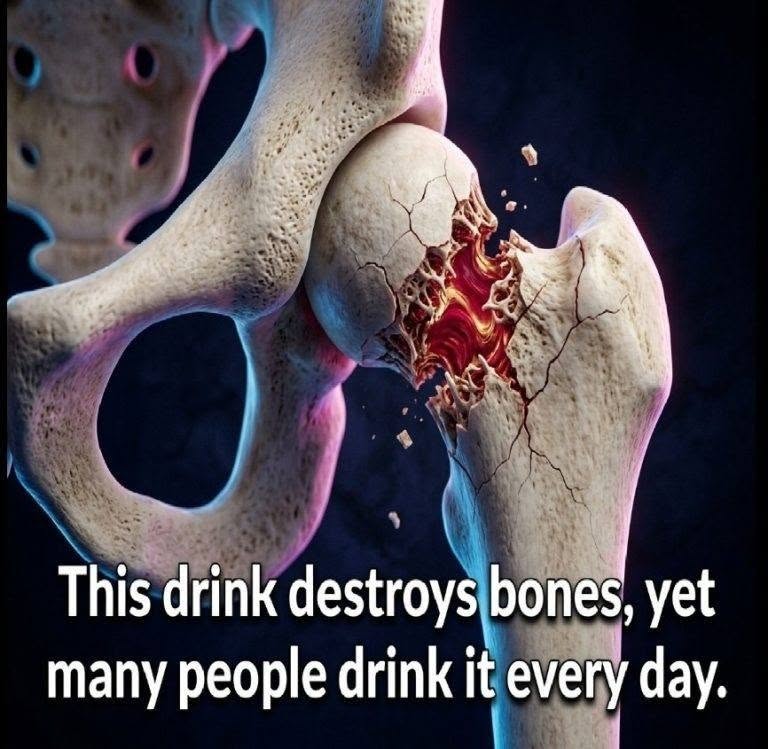
When people talk about drinks that may be harmful to bone health, the concern is usually about how they affect calcium intake, bone remodeling, or overall nutrition. No single drink will “destroy” your bones, but regularly consuming certain beverages in large amounts may contribute to poorer bone health—especially if they replace calcium-rich foods.
5 drinks that may be harmful to bone health when consumed excessively
- Sugary soft drinks (sodas)
- High sugar intake may be linked with poorer overall diet quality.
- People who drink a lot of soda may consume fewer calcium-rich beverages such as milk or fortified alternatives.
- Some colas contain phosphoric acid, and heavy intake has been studied for possible associations with lower bone density, though the relationship is complex.
- Excessive alcohol
- Heavy alcohol consumption can interfere with calcium balance, vitamin D activity, and bone formation.
- It is associated with a higher risk of osteoporosis and fractures.
- Energy drinks
- Many contain high amounts of caffeine and sugar.
- Excess caffeine may slightly reduce calcium absorption, particularly when calcium intake is low.
- Very high amounts of caffeinated drinks
- Coffee and tea are not generally harmful in moderate amounts.
- However, very high caffeine intake may affect calcium balance if a person does not get enough calcium from their diet.
- Sweetened fruit drinks and sugary beverages
- Drinks with lots of added sugar can contribute to weight gain and may displace nutrient-rich foods needed for strong bones.
Drinks that support bone health
- Milk (or calcium- and vitamin D-fortified alternatives).
- Fortified plant-based milks (check labels for calcium and vitamin D).
- Water for hydration.
- Unsweetened tea or coffee in moderation.
The bigger picture
Bone health depends on more than drinks. Important factors include:
- Adequate calcium and vitamin D intake.
- Regular weight-bearing exercise (such as walking or resistance training).
- Avoiding smoking.
- Maintaining muscle strength and balance to reduce fall risk.
If you’re over 50, have had fractures, or have risk factors for osteoporosis, discussing bone health screening with a healthcare professional can be useful.