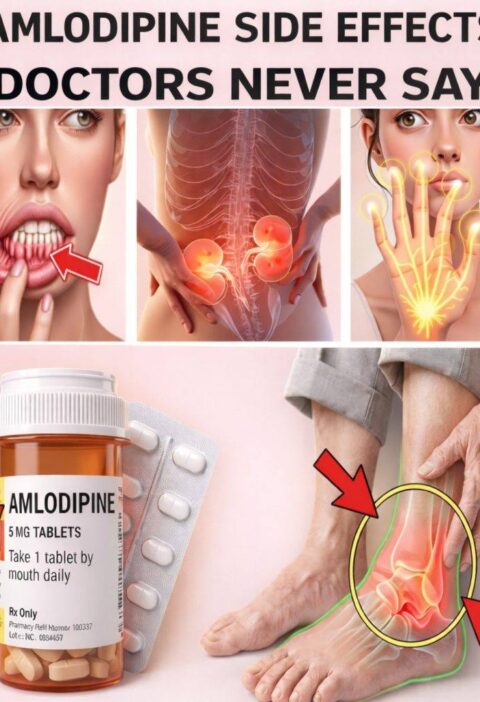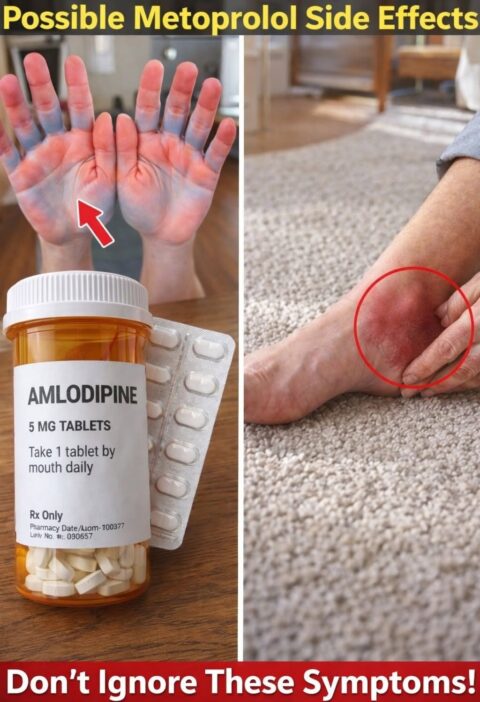
Amlodipine is commonly prescribed for high blood pressure and some heart-related conditions. It is generally well tolerated, but certain habits can make side effects more likely or make blood pressure control harder.
8 habits to avoid or reconsider while taking amlodipine
- Stopping amlodipine suddenly
- Do not stop it without medical advice. Blood pressure may rise again and increase cardiovascular risk.
- Eating a very high-salt diet
- Too much sodium can raise blood pressure and may reduce the benefit of blood pressure treatment.
- Limit highly processed foods, salty snacks, and excess added salt.
- Drinking excessive alcohol
- Alcohol can worsen dizziness or lightheadedness and may affect blood pressure control.
- Ignoring swelling in the ankles or feet
- Amlodipine can cause fluid-related swelling (edema) in some people.
- Report new or bothersome swelling to a healthcare professional.
- Skipping regular blood pressure checks
- You may feel fine even when blood pressure is not controlled.
- Monitoring helps determine whether treatment is working.
- Not telling healthcare providers about all medications and supplements
- Some medicines, supplements, or herbal products can affect blood pressure or increase side effects.
- Becoming dehydrated
- Dehydration can make dizziness or weakness more noticeable, especially in older adults.
- Avoiding physical activity completely
- Regular, appropriate exercise can improve blood pressure, heart health, and overall fitness. Choose activities suited to your health level.
Seek medical advice if you experience:
- Fainting or severe dizziness
- New chest pain
- Severe or rapidly worsening swelling
- A fast or irregular heartbeat
- Signs of an allergic reaction
Everyone responds differently to amlodipine. If you share your dose, age, why you take it (blood pressure, angina, etc.), and any symptoms you’ve noticed, I can help identify habits or side effects that may be relevant.