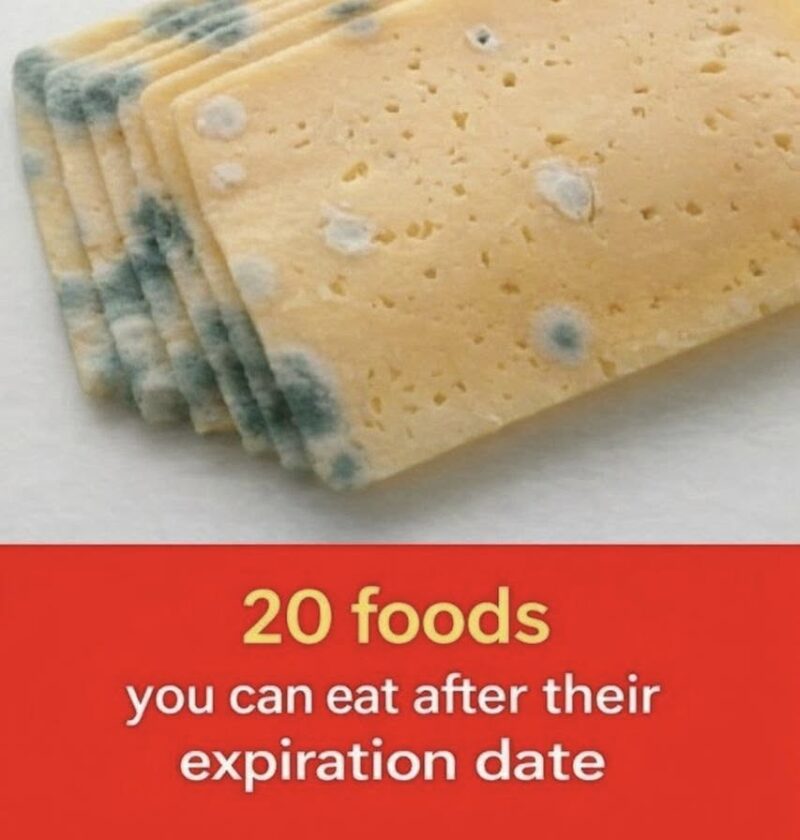
“Expiry date” can mean different things depending on the country and label wording. Many foods are often safe after a “best before” or “best by” date if they have been stored properly, while “use by” dates (especially on perishable foods) should generally be followed.
Foods that often remain usable past a best-before date include:
- Dry pasta — often lasts years if kept dry and sealed.
- Rice — white rice can last a long time; check for pests or odors.
- Dried beans and lentils — safe for a long time, though they may take longer to cook.
- Canned foods — many remain good beyond the date if cans are intact (not swollen, leaking, or badly rusted).
- Honey — can last indefinitely when stored properly.
- Salt — does not spoil.
- Sugar — lasts for years if kept dry.
- Flour — may be usable past the date if it smells normal and has no pests.
- Oats — often fine beyond the printed date if stored dry.
- Dried herbs and spices — usually lose flavor before they become unsafe.
- Coffee (whole beans or ground) — quality declines over time, but it may still be usable.
- Tea bags — usually safe but may lose flavor.
- Unopened shelf-stable milk — can last past the date if stored correctly.
- Frozen foods — safe indefinitely when continuously frozen, though quality may decline.
- Hard cheeses — can often be used after the date; remove mold appropriately (depending on the cheese).
- Butter — can last longer when refrigerated or frozen.
- Pickles — unopened jars can often last beyond the date.
- Vinegar — remains safe for a very long time.
- Soy sauce — lasts a long time, though flavor may change.
- Crackers — usually become stale before becoming unsafe.
Throw food away if you notice:
- Mold (especially on soft foods)
- A swollen or leaking can
- A sour, rancid, or unusual smell
- Slimy texture
- Signs of insects or contamination
For foods like meat, fish, cooked leftovers, eggs, and some dairy products, safety depends heavily on storage temperature and the date type, so they need more caution.