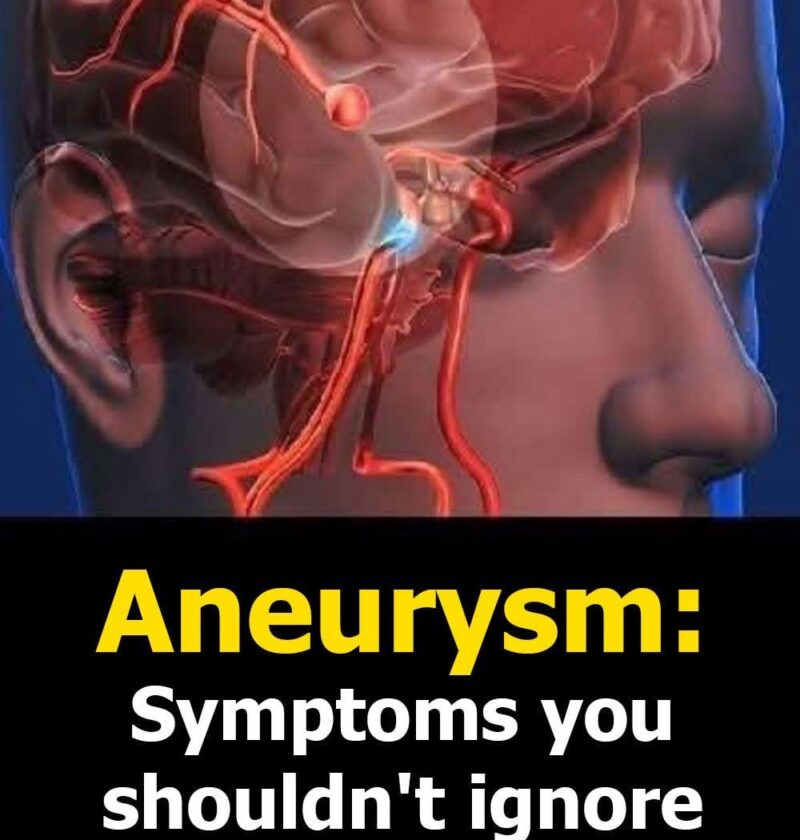
An aneurysm is a weakened area in a blood vessel wall that bulges or enlarges. Many aneurysms cause no symptoms and are found incidentally, but some warning signs can indicate a serious or life-threatening emergency.
Seek emergency medical help immediately for signs such as:
- Sudden, severe “worst headache of your life” (a possible sign of a ruptured brain aneurysm)
- Sudden weakness, numbness, trouble speaking, confusion, or loss of coordination
- Sudden severe chest, back, or abdominal pain (depending on the aneurysm location)
- Fainting, dizziness, rapid heartbeat, or signs of shock
- A new, painful, pulsating lump in the abdomen (possible abdominal aortic aneurysm concern)
Some aneurysms that have not ruptured may cause symptoms such as:
- Persistent pain in the chest, back, or abdomen
- A feeling of pressure or fullness
- Difficulty swallowing or breathing (if an aneurysm presses on nearby structures)
Risk factors that can increase aneurysm risk include:
- High blood pressure
- Smoking
- Older age
- Family history of aneurysms
- Certain inherited connective tissue disorders
- Atherosclerosis (hardening of the arteries)
If you’re concerned about a specific symptom, tell me where the symptom is (head, chest, abdomen, or elsewhere), when it started, and what it feels like. If symptoms are sudden and severe—especially a sudden “worst headache” or severe chest/abdominal pain—seek emergency care rather than waiting.