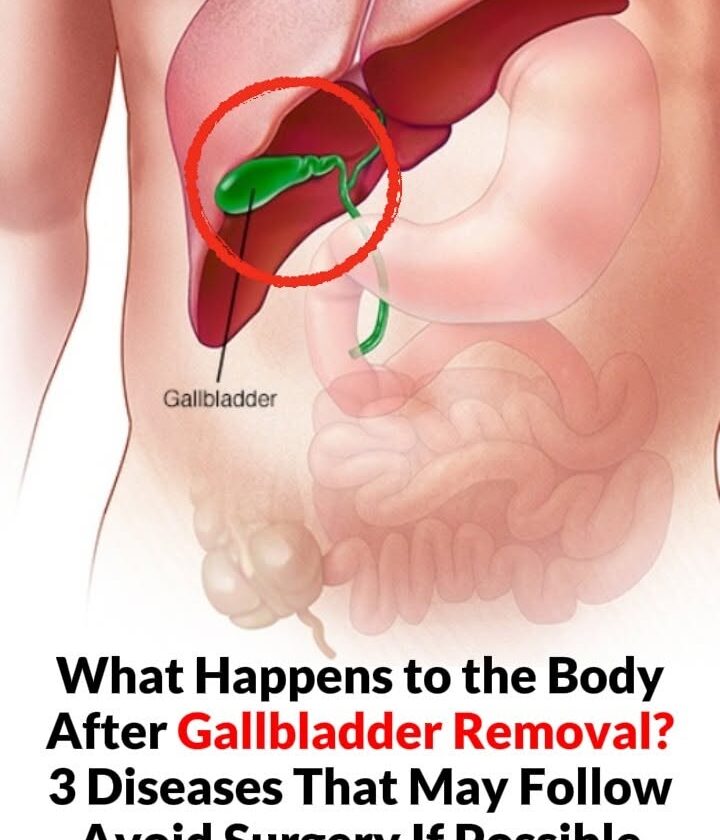
The claim “avoid gallbladder removal if possible” is misleading. Gallbladder removal (a cholecystectomy) is a common and generally safe procedure that is often the best treatment for problems such as repeated gallstones, gallbladder inflammation, or certain complications. It is not a surgery to avoid when it is medically needed.
After gallbladder removal, the body usually adapts well. The gallbladder’s main job is to store and concentrate bile made by the liver. Without it, bile flows directly from the liver into the intestine.
Changes some people notice after surgery
- Temporary diarrhea or looser stools
- Bloating or gas
- Changes in digestion, especially with fatty meals
- Needing smaller or lower-fat meals at first
Most people eventually return to a normal diet.
Conditions sometimes discussed after gallbladder removal
These are not inevitable “diseases that follow,” but some people may experience:
- Post-cholecystectomy syndrome
- A group of symptoms such as abdominal discomfort, indigestion, diarrhea, or nausea after surgery.
- It can have many causes, including bile-related issues or another digestive condition.
- Bile acid diarrhea
- Extra bile reaching the colon can cause watery stools in some people.
- It can often be treated with medications that bind bile acids.
- Digestive intolerance
- Some people have difficulty tolerating very fatty meals, though many improve over time.
When gallbladder removal is often recommended
Doctors commonly consider surgery for:
- Recurrent painful gallstone attacks
- Gallbladder infection or inflammation
- Blocked bile ducts
- Certain gallbladder complications
When to seek medical advice after surgery
Contact a healthcare professional if there is:
- Persistent severe abdominal pain
- Fever
- Yellowing of the skin or eyes
- Ongoing vomiting
- Significant or long-lasting diarrhea
- Unexplained weight loss
Gallbladder removal is not risk-free, but for people who need it, the benefits often outweigh the risks. The right decision depends on the reason for surgery, symptoms, overall health, and alternatives available.