What Is Atorvastatin and Why Is It Commonly Prescribed?
Atorvastatin is a prescription medication in the statin class. It is one of the most commonly prescribed medicines worldwide because it helps lower cholesterol and reduce the risk of heart attacks and strokes.
How does atorvastatin work?
Your liver makes cholesterol using an enzyme called HMG-CoA reductase. Atorvastatin blocks this enzyme, which:
- Lowers LDL (“bad”) cholesterol
- Modestly raises HDL (“good”) cholesterol
- Lowers triglycerides (a type of blood fat)
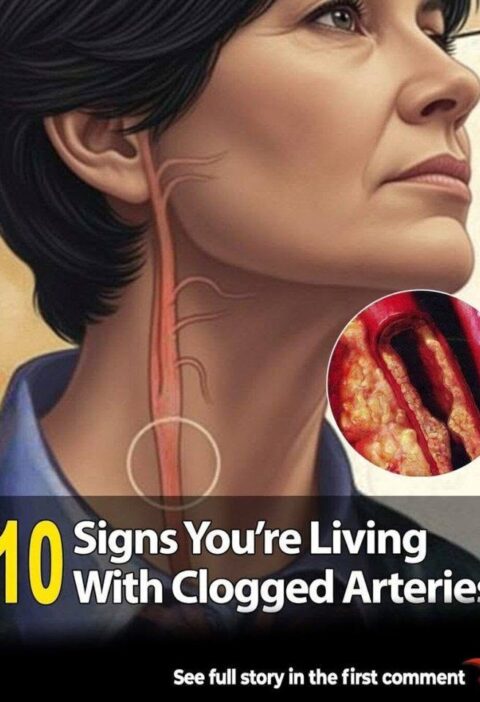
By reducing cholesterol in the bloodstream, it helps slow the buildup of plaque in arteries, improving blood flow and lowering cardiovascular risk.
Why is it prescribed?
A healthcare professional may prescribe atorvastatin to:
- Treat high LDL cholesterol
- Reduce the risk of heart attack
- Reduce the risk of stroke
- Help prevent cardiovascular disease in people with diabetes or multiple risk factors
- Treat people with existing heart disease, such as those who have had a heart attack, angina, or certain procedures like stent placement
Who may benefit?
Atorvastatin is often prescribed for people who have:
- High cholesterol
- Diabetes
- High blood pressure
- A history of heart attack or stroke
- A strong family history of cardiovascular disease
- An estimated high risk of developing cardiovascular disease over the next 10 years
How is it taken?
- Usually once daily, with or without food.
- It can be taken in the morning or evening, but it’s best to take it at the same time each day.
- Continue taking it unless your healthcare professional advises otherwise, even if you feel well.
Common side effects
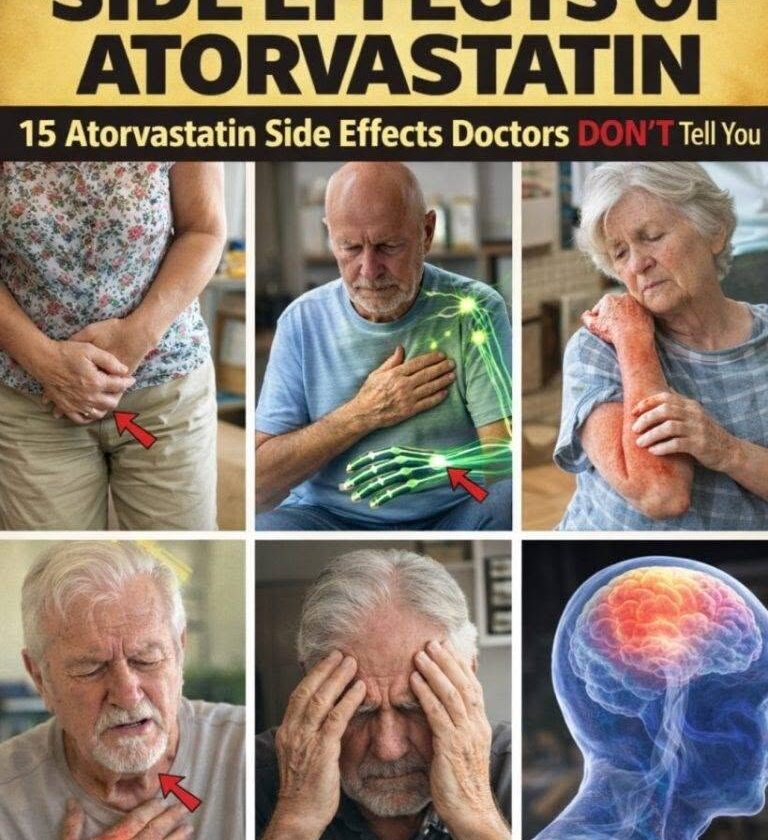
Most people tolerate atorvastatin well. Possible side effects include:
- Muscle aches or soreness
- Mild joint pain
- Headache
- Upset stomach, nausea, diarrhea, or constipation
These side effects are often mild and may improve over time.
Serious but uncommon side effects
Seek medical attention promptly if you develop:
- Severe muscle pain or weakness, especially with dark-colored urine
- Yellowing of the skin or eyes (possible liver problem)
- Severe allergic reactions, such as swelling of the face or difficulty breathing
Interactions and precautions
Tell your healthcare professional about all medicines and supplements you take. Some drugs can increase the risk of side effects when taken with atorvastatin.
Also:
- Avoid large amounts of grapefruit or grapefruit juice, which can increase atorvastatin levels in the body.
- Limit alcohol if advised, particularly if you have liver disease.
Healthy habits still matter
Atorvastatin works best when combined with:
- A heart-healthy diet
- Regular physical activity
- Maintaining a healthy weight
- Not smoking
- Managing blood pressure and diabetes