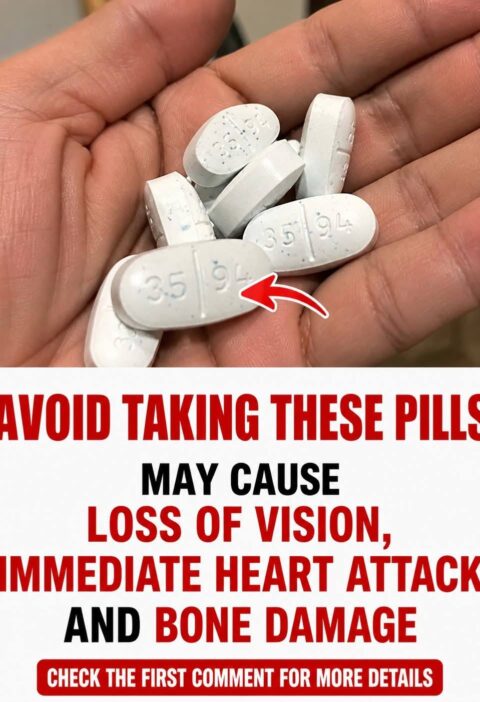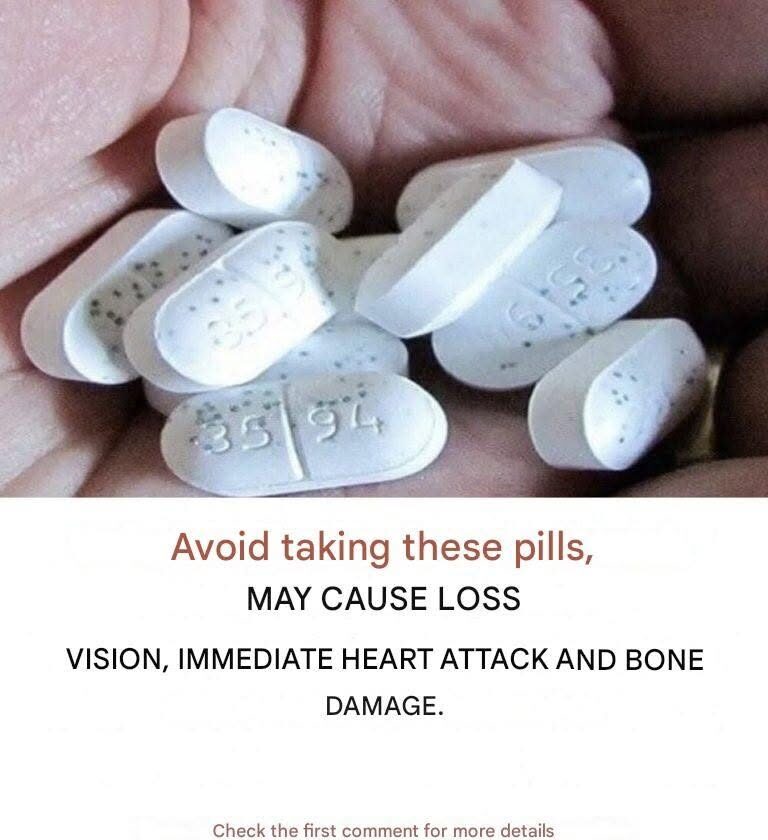
That kind of warning is not automatically true and is often misleading when posted without context.
Many medications are labeled in exaggerated online posts as causing “blood clots, thrombosis, and heart attacks,” but in reality:
1. Most medicines do not directly “cause clots”
Blood clots (thrombosis) usually happen due to underlying risk factors like:
- Immobility (long travel, bed rest)
- Smoking
- Obesity
- Cancer or inflammation
- Genetic clotting disorders
- Certain hormonal medications (like some contraceptives or estrogen therapy)
Some drugs can slightly increase risk in specific patients, but it’s not a universal effect.
2. Context matters a lot
A medication might be:
- Life-saving for heart disease or blood pressure
- Only risky in certain groups (older adults, smokers, people with prior clot history)
Without naming the actual tablet, the claim is impossible to evaluate properly and is often used in fear-based social media posts.
3. Serious conditions vs side effects confusion
- “Heart attack” and “stroke” are usually caused by underlying cardiovascular disease.
- Medicines are more often prescribed to prevent these events, not cause them.
For example, drugs like beta-blockers or blood pressure medications are commonly used to reduce heart attack risk, not increase it.
4. Rare exceptions exist
Some medications can increase clot risk in specific situations (for example, certain hormone therapies or rare adverse reactions), but this is:
- documented in medical labeling
- monitored by doctors
- weighed against benefits before prescribing
Bottom line
Viral warnings like this are usually:
- Missing the drug name
- Ignoring medical context
- Exaggerating rare risks into universal dangers
If you tell me the exact tablet name, I can give you a clear, evidence-based explanation of its real risks and whether the warning has any truth at all.