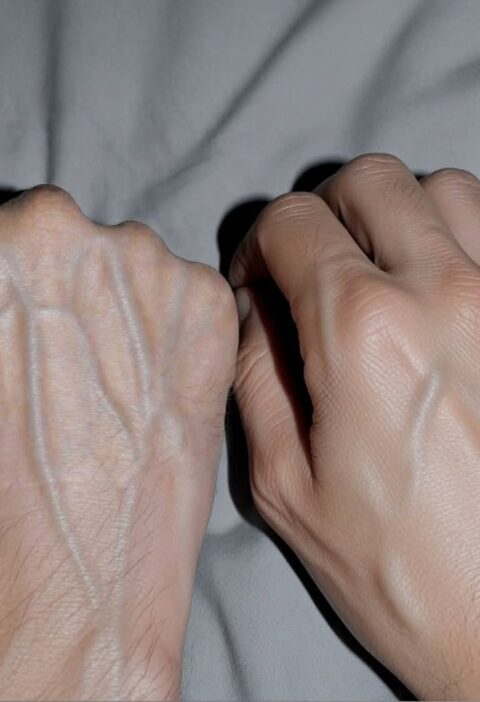
A heart attack, or Myocardial Infarction, usually happens due to reduced blood flow to the heart. In many cases, the body may show general circulation problems beforehand—but not a fixed “1-month warning system.”
Some foot and leg symptoms may indicate poor blood circulation or peripheral artery disease, which can increase heart risk.
🦶 Possible Foot-Related Warning Signs (Not a Diagnosis)
1. Cold feet or toes
Poor circulation may reduce blood flow, especially in the lower limbs.
2. Numbness or tingling
Can occur when nerves or blood supply are affected, sometimes linked with vascular disease or diabetes.
3. Swelling in feet or ankles
May indicate fluid buildup due to heart, kidney, or vein issues.
4. Pain when walking (claudication)
Leg or foot pain during walking that improves with rest can suggest reduced arterial blood flow.
5. Slow-healing wounds
Cuts or sores on the feet that take long to heal may signal poor circulation.
6. Color changes in skin
Feet may appear pale, bluish, or reddish when blood flow is compromised.
🧠 Important Medical Reality
These symptoms are associated with conditions like peripheral artery disease, diabetes, or poor circulation—not a guaranteed “immediate heart attack warning.”
A heart attack can still occur suddenly without noticeable foot symptoms.
⚠️ When to seek urgent care
Seek emergency help if you experience:
- Chest pain or pressure
- Shortness of breath
- Pain spreading to arm, jaw, or back
- Sudden sweating or dizziness
These are classic warning signs of Myocardial Infarction.
📌 Key takeaway
Foot symptoms like coldness, swelling, numbness, or slow healing may suggest circulation problems, which can increase heart disease risk. However, they are not a reliable countdown or early warning system for a heart attack one month in advance.