8 Habits to Avoid If You’re Taking Amlodipine
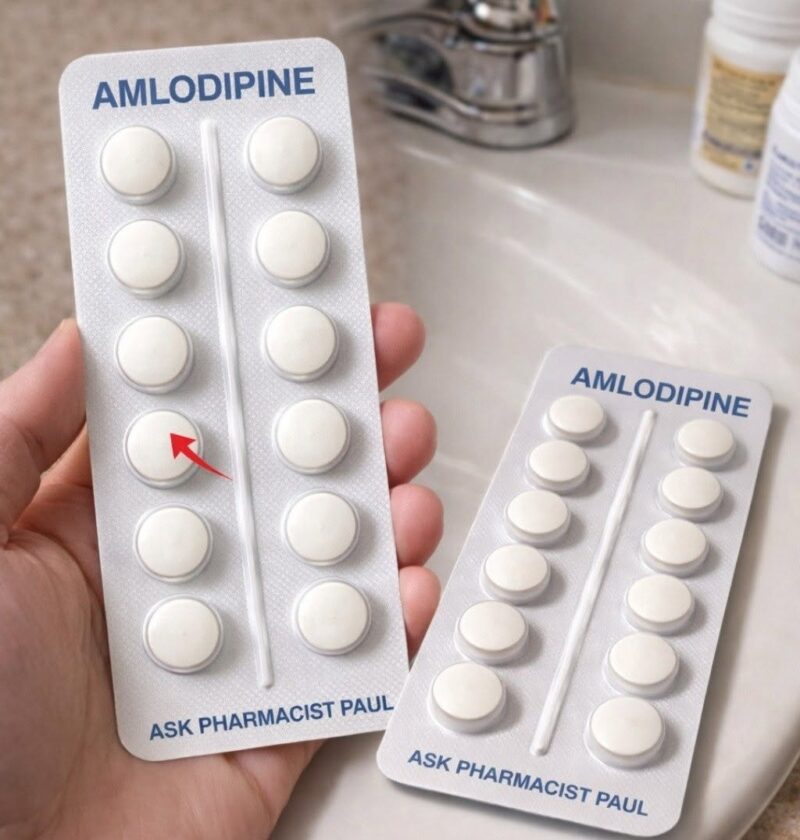
Amlodipine is a calcium channel blocker commonly prescribed to treat high blood pressure and angina (chest pain). It works best when combined with healthy habits. Here are some habits that may interfere with its effectiveness or increase side effects.
1. Skipping doses
Taking amlodipine inconsistently can make it harder to control blood pressure.
Instead: Take it at the same time every day.
2. Stopping it suddenly
Don’t stop taking amlodipine without talking to your healthcare provider. Blood pressure may rise again, and chest pain can worsen in some people.
3. Eating large amounts of grapefruit or drinking grapefruit juice
Grapefruit may increase amlodipine levels in some people, potentially increasing side effects such as dizziness or low blood pressure. While the interaction is generally less significant than with some other medications, it’s worth discussing with your healthcare provider.
4. Drinking too much alcohol
Alcohol can add to amlodipine’s blood pressure-lowering effects and increase the risk of:
- Dizziness
- Lightheadedness
- Fainting
5. Standing up too quickly
Especially when starting treatment, amlodipine can cause dizziness from a drop in blood pressure.
Tip: Rise slowly from sitting or lying down.
6. Eating a high-sodium diet
Too much salt can raise blood pressure and reduce the overall benefit of blood pressure treatment.
7. Ignoring swelling in the ankles or feet
Ankle and foot swelling is a common side effect of amlodipine. Tell your healthcare provider if it becomes bothersome, worsens, or is accompanied by shortness of breath or chest pain.
8. Taking new medications or supplements without checking first
Some prescription medicines, over-the-counter drugs, and herbal supplements can interact with amlodipine or affect blood pressure. Ask your healthcare provider or pharmacist before starting anything new.