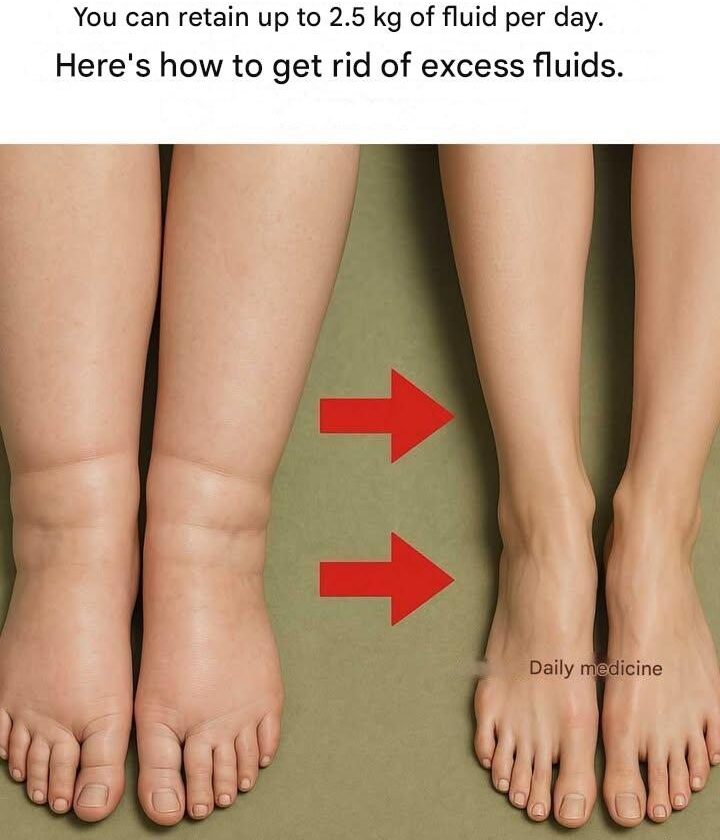
Common Causes of Temporary Fluid Retention
- Eating high-sodium foods
- Hormonal changes (including menstrual cycles)
- Long periods of sitting or standing
- Hot weather
- Certain medications
- Inadequate physical activity
- Some medical conditions affecting the heart, kidneys, liver, or hormones
Ways to Reduce Excess Fluid Retention
1. Reduce Excess Sodium
Too much salt encourages the body to hold onto water. Limiting highly processed foods can help.
2. Stay Hydrated
Drinking enough water may actually help the body regulate fluid balance more effectively.
3. Increase Physical Activity
Walking and other movement can help reduce swelling, especially in the legs and feet.
4. Eat Potassium-Rich Foods
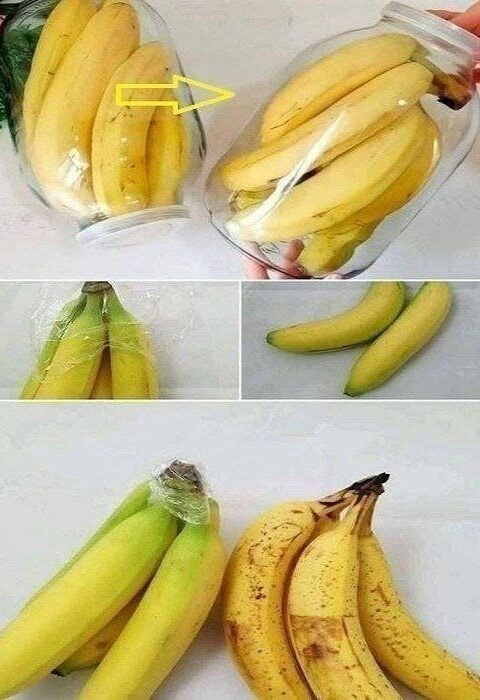
Foods such as bananas, potatoes, beans, spinach, and avocados help balance sodium levels.
5. Elevate Swollen Legs
If swelling occurs in the lower extremities, elevating the legs may help fluid return to circulation.
6. Wear Compression Garments (When Appropriate)
Compression socks can help some people with leg swelling, particularly during prolonged sitting or standing.
When Fluid Retention May Need Medical Attention
Seek medical evaluation if you have:
- Sudden or severe swelling
- Shortness of breath
- Chest pain
- Rapid unexplained weight gain
- Persistent swelling in the legs, abdomen, or face
These can sometimes indicate conditions such as Heart Failure, Kidney Disease, or liver disorders.
Bottom Line
Temporary water retention is common and often improves with changes in diet, hydration, and activity. However, significant or persistent swelling should not be dismissed, especially if it develops suddenly or is accompanied by other symptoms. The goal is to identify and address the underlying cause rather than simply trying to “flush out” fluid.