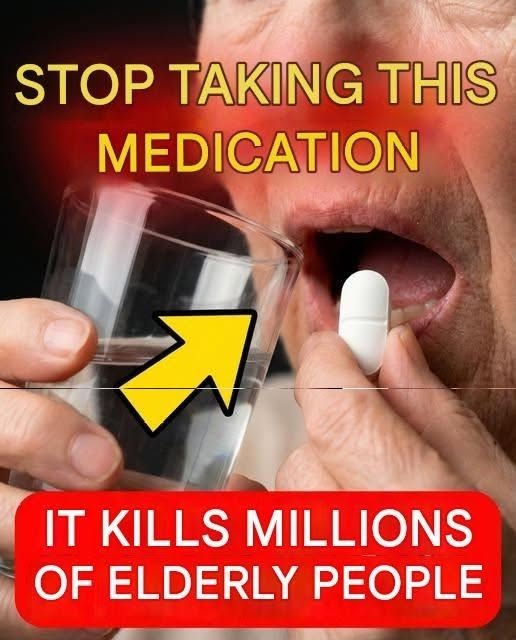
That headline is typical clickbait. It exaggerates real medical cautions into a scary “5 drugs cause heart attacks” message.
In reality, no medication automatically “causes” heart attack or stroke in older people. Some drugs can slightly increase cardiovascular risk in certain situations, especially with high doses, long-term use, or existing heart disease—but they are still used because they treat important conditions.
Here are the most commonly misrepresented groups:
1) NSAID painkillers
Ibuprofen
Diclofenac
- Can raise blood pressure and slightly increase heart attack/stroke risk
- Risk increases with long-term or high-dose use
- Still widely used safely when taken correctly
2) Decongestants (cold medicines)
Pseudoephedrine
- Can temporarily increase blood pressure and heart rate
- More risky in people with hypertension or heart disease
3) Long-term corticosteroids
Prednisone
- Long-term use can raise blood pressure, blood sugar, and weight
- Indirectly increases cardiovascular risk if not monitored
4) Older diabetes drugs (some specific types)
Rosiglitazone
- Earlier research raised concerns about heart risk in some patients
- Newer medications are generally safer and better studied
5) Drug combinations or misuse (not one single drug)
- Risk often comes from mixing medications, incorrect dosing, or ignoring existing conditions—not a single “dangerous pill”
Key reality check
- These medications are not universally dangerous
- Doctors prescribe them based on benefit vs risk
- Stopping prescribed medicine based on viral posts can be harmful
Bottom line
This kind of post takes real pharmacology facts and turns them into fear-driven content. The real message is:
Some medicines require caution in older adults—but they are safe when properly prescribed and monitored.
If you want, I can list which everyday medicines are actually safest vs riskiest for heart health in simple terms.