⚠️ Warning! Can Certain Tablets Increase the Risk of Blood Clots and Heart Attacks?
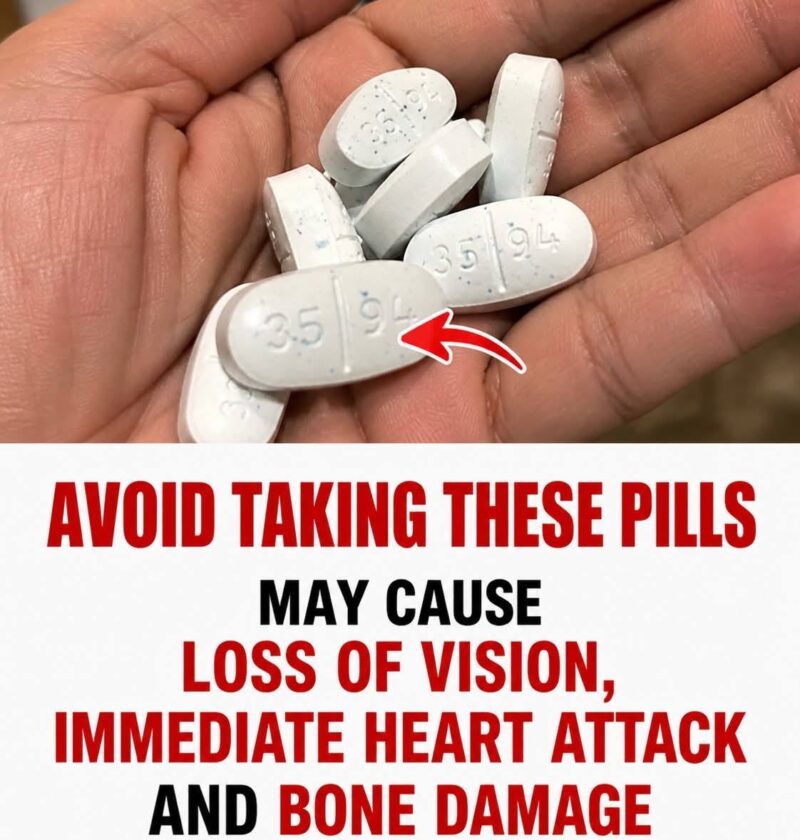
Headlines like “These tablets can cause blood clots, thrombosis, and heart attacks” are often oversimplified and can be alarming without proper context.
The reality is that some medications may increase the risk of blood clots or cardiovascular events in certain people, but the level of risk depends on the specific medication, dosage, medical history, age, smoking status, and other factors.
🩺 Medications Sometimes Associated With Increased Clotting Risk
💊 Certain Hormonal Birth Control Pills
Some estrogen-containing contraceptives can slightly increase the risk of:
- Blood clots in the legs (deep vein thrombosis)
- Pulmonary embolism (clot in the lungs)
The absolute risk remains low for most healthy users, but it is higher in smokers and people with certain medical conditions.
🩸 Hormone Replacement Therapy (HRT)
Some forms of hormone therapy may increase the risk of:
- Blood clots
- Stroke
- Cardiovascular complications in specific populations
🔥 Certain Anti-Inflammatory Pain Relievers (NSAIDs)
Some prescription and over-the-counter NSAIDs have been linked to an increased risk of:
- Heart attack
- Stroke
Risk tends to increase with:
- Higher doses
- Long-term use
- Existing heart disease
💉 Some Cancer Treatments
Certain cancer medications can increase the likelihood of blood clots due to their effects on the body and blood vessels.
🚨 Symptoms of a Possible Blood Clot
Seek immediate medical attention if you experience:
In the Leg
- Swelling
- Pain or tenderness
- Warmth
- Redness
In the Lungs
- Sudden shortness of breath
- Chest pain
- Rapid heartbeat
Possible Heart Attack Symptoms
- Chest pressure or pain
- Pain spreading to the arm, neck, jaw, or back
- Nausea
- Sweating
- Shortness of breath
⚠️ Never Stop Prescribed Medication Without Medical Advice
Many viral posts encourage people to stop medications immediately. This can be dangerous.
If you’re concerned about a medication:
- Read the official patient information leaflet.
- Speak with your doctor or pharmacist.
- Discuss your personal risk factors before making changes.
🧠 Important Reality Check
No medication should be labeled as universally dangerous without considering:
- Individual health status
- Medical necessity
- Benefits versus risks
Many medicines that carry clotting warnings are still considered