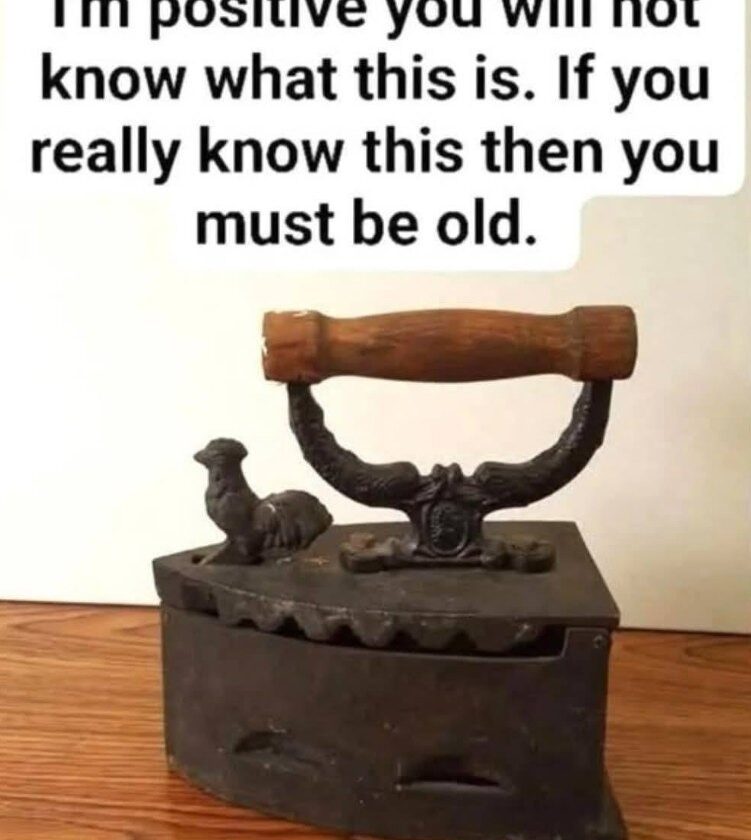
Have you ever come across an unusual metal object in an old photograph and wondered what it was used for? One such item that often puzzles people today is the charcoal box iron, a household tool that played an important role in clothing care long before the invention of electric irons.
To modern eyes, a charcoal box iron may appear to be a decorative antique, a small metal container, or even a strange cooking utensil. However, this ingenious device was once an essential part of everyday life in homes around the world.
What Is a Charcoal Box Iron?
A charcoal box iron is a traditional ironing tool designed to remove wrinkles from clothing and household fabrics. Unlike modern electric irons that use electricity to generate heat, charcoal irons relied on burning charcoal placed inside a metal compartment.
The heated charcoal warmed the metal base of the iron, allowing users to press garments smooth and neat. This technology was widely used before electricity became common in homes.
How Did a Charcoal Iron Work?
The design was surprisingly simple yet effective.
The iron featured:
- A hollow metal chamber
- A hinged lid for adding charcoal
- Ventilation holes to keep the charcoal burning
- A wooden handle to protect hands from heat
- A heavy metal base for pressing fabrics
Once hot charcoal was placed inside, the iron retained heat for a considerable period. Users would move the iron across clothing much like modern irons are used today.
Why Was It So Popular?
Before electrical appliances became widely available, households needed a reliable method for maintaining clean, wrinkle-free clothing.
Charcoal box irons offered several advantages:
- No electricity required
- Long-lasting heat
- Durable construction
- Suitable for rural communities
- Effective wrinkle removal
For many families, this tool represented a significant improvement over earlier methods of pressing garments.
A Glimpse Into Everyday Life
Using a charcoal iron required patience and skill. The user had to monitor the temperature carefully to prevent scorching delicate fabrics. If the charcoal became too hot, clothing could be damaged. If it cooled too much, wrinkles would remain.
Despite these challenges, charcoal irons became trusted household companions for generations.
Regional Popularity Around the World
Charcoal box irons were used across many parts of the world, including:
- Asia
- Africa
- Europe
- Latin America
In some regions, they continued to be used well into the twentieth century, especially in areas where electricity was limited or unavailable.
The Craftsmanship of Antique Irons
Many antique charcoal irons were beautifully crafted from cast iron, brass, or steel. Some featured decorative patterns, engraved details, and ornate handles that reflected the craftsmanship of their era.
Today, collectors often value these historical tools for their beauty and cultural significance.
Why People Mistake Them for Other Objects
Modern viewers often struggle to identify charcoal box irons because their design differs dramatically from contemporary household appliances.
Common guesses include:
- Antique heaters
- Small stoves
- Storage boxes
- Kitchen tools
- Decorative collectibles
Without historical context, their true purpose can seem mysterious.
Collecting Antique Charcoal Irons
Antique enthusiasts appreciate charcoal irons because they offer a tangible connection to domestic life in previous centuries.
Collectors often seek examples with:
- Original handles
- Functional lids
- Decorative features
- Minimal rust
- Historical provenance
Well-preserved pieces can become attractive display items in museums, homes, and historical exhibits.
The Transition to Electric Irons
The introduction of electricity transformed household chores. Electric irons offered:
- Consistent heat
- Greater convenience
- Improved safety
- Faster operation
As electrical infrastructure expanded, charcoal irons gradually disappeared from daily use. However, they remain important symbols of innovation and adaptation during a time when households relied on practical solutions rather than modern technology.
Cultural and Historical Significance
The charcoal box iron serves as a reminder of the ingenuity of earlier generations. It highlights how people managed everyday tasks with limited resources and demonstrates the evolution of household technology over time.
Today, these fascinating artifacts continue to spark curiosity, especially when they appear in old photographs or antique collections. What may initially seem like a mystery object is actually a remarkable tool that helped countless families keep their clothing neat and presentable long before the age of modern appliances.
Final Thoughts
The charcoal box iron is more than just an antique household item—it is a piece of history that reflects the resourcefulness and craftsmanship of the past. Understanding its purpose provides valuable insight into how everyday life functioned before electricity transformed domestic work.