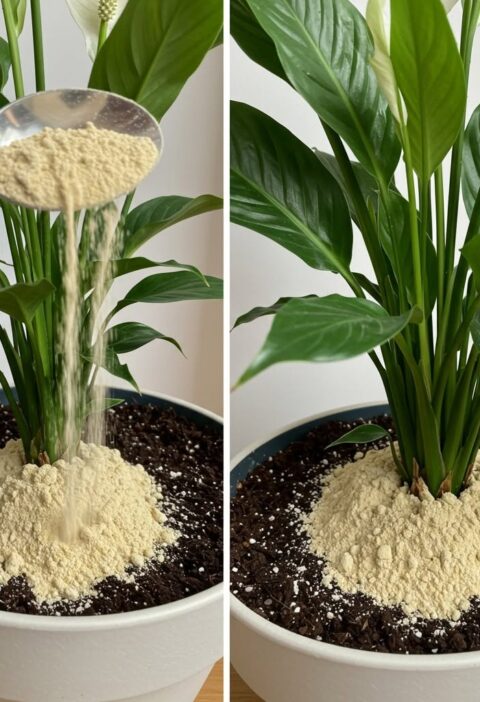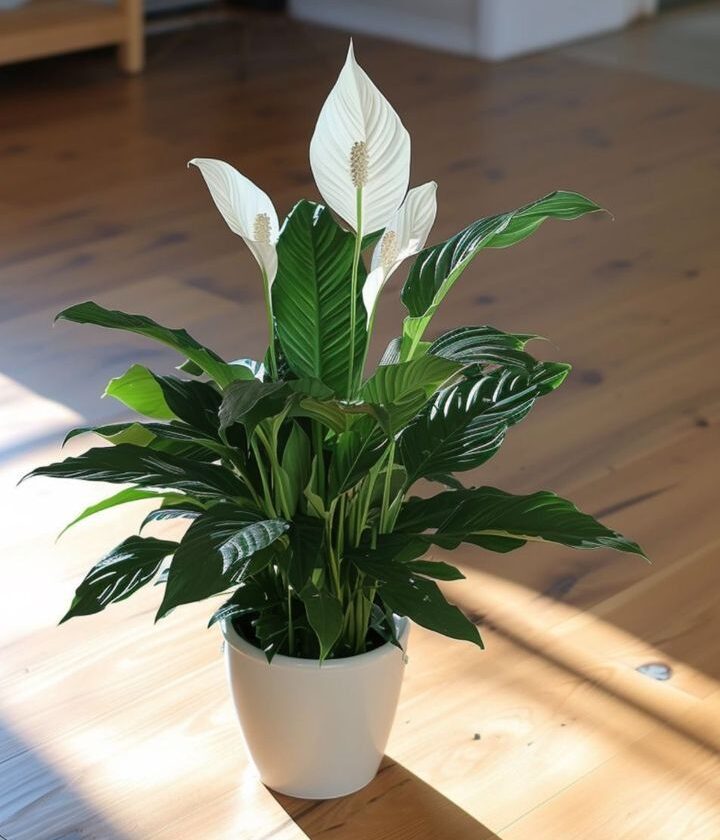
That headline is usually about tips for getting a peace lily (a common indoor plant, often Spathiphyllum (Peace Lily)) to produce its white “flowers” (which are actually modified leaves called spathes).
Here are the real, practical ways to encourage blooming:
- Give it bright, indirect light
Peace lilies survive in low light but bloom best near a window with filtered sunlight. - Avoid deep shade
Too little light is the #1 reason they stop flowering. - Use proper fertilizing (light feeding)
A balanced houseplant fertilizer every 4–6 weeks during spring and summer helps. - Don’t over-fertilize
Too much nitrogen encourages leaves, not blooms. - Keep the soil consistently moist
Not soggy—just evenly damp. Letting it dry out repeatedly stresses the plant. - Use well-draining soil
Root health strongly affects flowering. - Repot when root-bound
Slightly root-bound plants often bloom better, but extreme crowding reduces health. - Maintain warm temperatures
Around 18–27°C is ideal. Cold drafts reduce blooming. - Increase humidity
Peace lilies prefer humid environments (bathrooms with light or misting can help). - Remove old/spent blooms
This encourages the plant to redirect energy into new growth. - Be patient—maturity matters
Young plants may focus on foliage before they ever bloom.
A key reality check: even with perfect care, peace lilies don’t bloom constantly—they typically flower in cycles when conditions are right. Many viral posts make it sound like a guaranteed trick, but it’s really about overall plant health and light conditions.
If you want, tell me where you keep yours and I can diagnose why it’s not flowering.