
Understanding Life After Gallbladder Surgery (1500+ Words)
Introduction: Why Gallbladder Removal Is Done
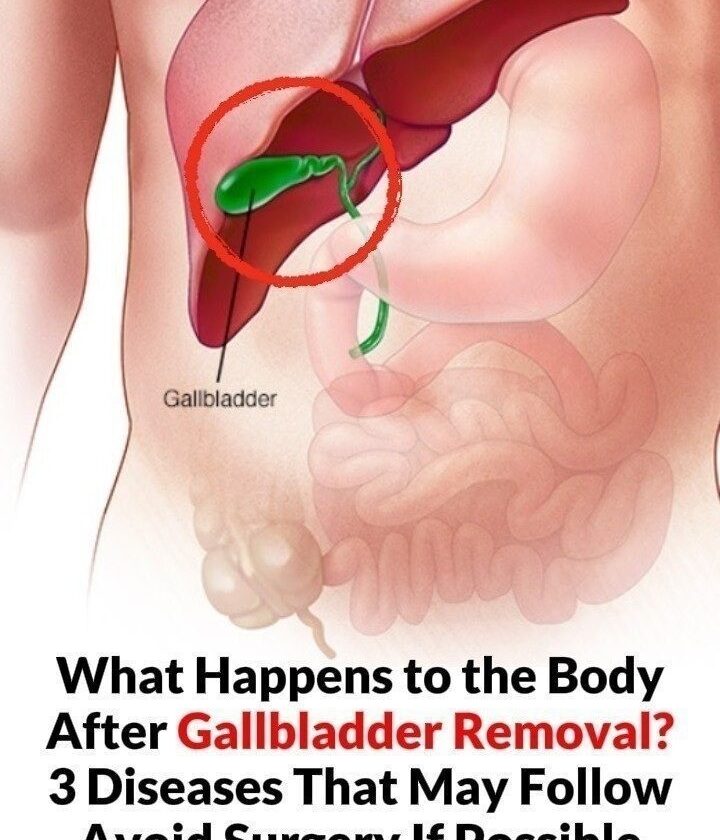
Gallbladder removal, medically known as cholecystectomy, is one of the most commonly performed surgical procedures worldwide. The gallbladder is a small organ located under the liver that stores bile, a digestive fluid that helps break down fats.
Doctors usually recommend removal when the gallbladder becomes diseased or painful, most often due to gallstones, infection, inflammation, or blockages. While the body can function without a gallbladder, digestion does change afterward, and some people experience temporary or long-term digestive symptoms.
Understanding these changes is important for managing expectations and maintaining good digestive health after surgery.
What Changes After Gallbladder Removal?
Normally, the gallbladder releases bile in controlled amounts when you eat fatty foods. After removal, bile flows continuously from the liver into the small intestine.
This constant bile flow can sometimes affect digestion, especially fat digestion, leading to changes in bowel habits and sensitivity to certain foods.
Most people adjust well over time, but a portion of patients may develop specific post-surgery digestive conditions.
1. Post-Cholecystectomy Diarrhea
One of the most commonly reported changes after gallbladder removal is chronic or intermittent diarrhea.
Why It Happens
Without the gallbladder storing bile, bile acids may flow into the intestines more continuously. In some individuals, excess bile in the colon can stimulate bowel movements, leading to loose stools.
Symptoms May Include:
- Frequent loose stools
- Urgency to use the bathroom after meals
- Increased bowel movements after fatty foods
Who Is More Likely to Experience It?
- People with sensitive digestive systems
- Those consuming high-fat diets after surgery
- Individuals with pre-existing bowel conditions
Management Strategies:
- Eating smaller, low-fat meals
- Increasing dietary fiber gradually
- Avoiding greasy or fried foods
- In some cases, doctors may prescribe bile acid binders
For most patients, this condition improves within weeks to months as the body adapts.
2. Bile Reflux Gastritis
Another possible issue after gallbladder removal is bile reflux, which occurs when bile flows backward into the stomach.
How It Develops
Normally, the gallbladder helps regulate bile release. After removal, bile may more easily travel into the stomach and sometimes even the esophagus.
Symptoms:
- Burning pain in the upper abdomen
- Nausea or vomiting bile
- Bitter taste in the mouth
- Stomach irritation after meals
How It Differs from Acid Reflux
Unlike acid reflux, which involves stomach acid, bile reflux involves digestive bile fluids. This condition may not respond well to standard acid-reducing medications.
Management Options:
- Eating smaller meals
- Avoiding late-night eating
- Medications that bind bile acids
- In severe cases, medical evaluation for further treatment
3. Post-Surgery Fat Digestion Difficulties (Fat Malabsorption Symptoms)
After gallbladder removal, some individuals experience difficulty digesting fatty foods efficiently.
Why This Happens
Since bile is no longer stored and released in concentrated amounts, fat digestion becomes less efficient, especially after large or fatty meals.
Common Symptoms:
- Bloating after eating fatty foods
- Greasy or floating stools
- Abdominal discomfort
- Excess gas
Dietary Adjustments That Help:
- Eating low-fat meals spread throughout the day
- Choosing lean proteins
- Avoiding deep-fried and processed foods
- Including soluble fiber to support digestion
Most people gradually adapt, and fat digestion improves over time.
Long-Term Outlook After Gallbladder Removal
For the majority of people, life after gallbladder removal is normal and healthy. The liver continues to produce bile, and digestion stabilizes over time.
Studies show that most post-surgery digestive symptoms are temporary or manageable with dietary changes.
However, a small percentage of patients may continue to experience ongoing symptoms that require medical support.
When to Seek Medical Advice
After gallbladder surgery, consult a healthcare professional if you experience:
- Persistent diarrhea lasting more than a few weeks
- Severe abdominal pain
- Vomiting bile frequently
- Unexplained weight loss
- Ongoing digestive discomfort
These symptoms may indicate treatable complications or unrelated digestive conditions.
Can Gallbladder Removal Be Avoided?
In many cases, gallbladder removal is not optional—it is recommended when:
- Gallstones cause repeated pain or infection
- There is risk of gallbladder rupture or inflammation
- Digestive blockage occurs
Non-surgical management is sometimes possible for mild cases, but it is not suitable for everyone. Medical evaluation is essential before deciding on treatment.
Supporting Digestive Health After Surgery
Healthy habits can significantly improve recovery and long-term digestion:
- Eat smaller, frequent meals
- Reduce high-fat and fried foods
- Stay hydrated
- Increase fiber intake gradually
- Maintain a healthy weight
- Follow post-surgical medical advice
Conclusion
Gallbladder removal is a safe and widely performed procedure that often resolves painful gallstone-related conditions. While some people may experience digestive changes such as diarrhea, bile reflux, or fat intolerance, these issues are usually manageable and often improve with time.
Understanding how your digestive system adapts after surgery can help you make informed dietary and lifestyle choices for better long-term health.
Part 2: Simple Post-Gallbladder Surgery Diet Tips
Daily Eating Guidelines:
- Eat small meals 4–6 times per day
- Choose low-fat cooking methods (boiling, steaming, baking)
- Avoid fried and greasy foods
- Add fiber slowly (oats, fruits, vegetables)
- Drink plenty of water
Sample Simple Meal Plan:
- Breakfast: Oatmeal with banana
- Lunch: Grilled chicken with rice and steamed vegetables
- Snack: Yogurt or fruit
- Dinner: Light soup with toast or boiled vegetables